

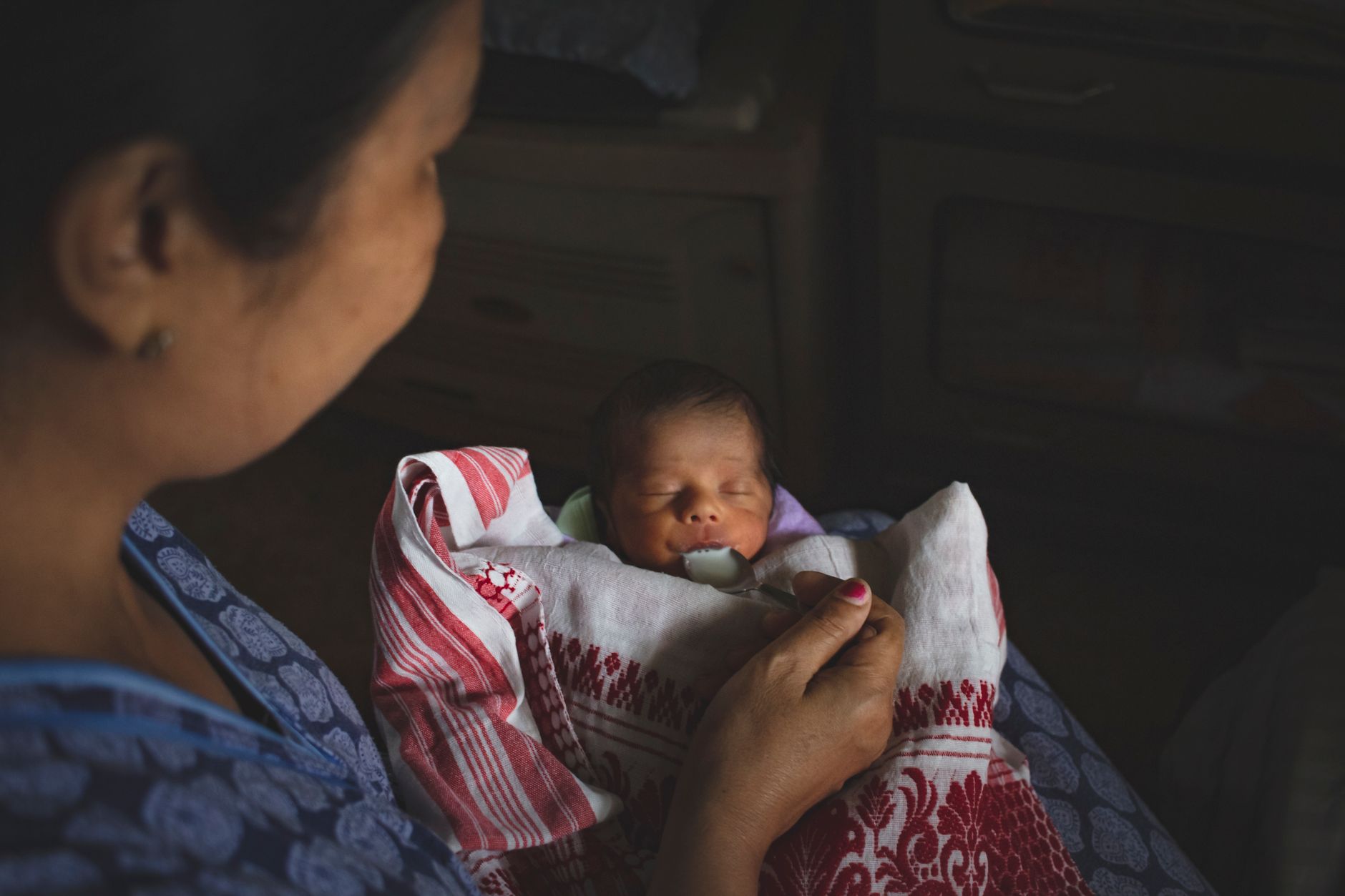
No — most gripe water and anti-colic drops sold in Indian pharmacies aren't proven to work, and gripe water in particular isn't checked for safety by any health authority. Not medical advice — consult your pediatrician before giving your newborn anything by mouth for crying or gas.
Why This Question Comes Up So Fast in India
A newborn's evening crying spell is exhausting — and it can begin soon after coming home from the hospital, right when a grandmother, aunt, or the chemist down the road is already recommending a bottle of gripe water. It feels like a harmless, traditional first step. The trouble is that "sold over the counter" and "proven safe and effective" are two different things, and for colic drops in India, the gap between them is often wide.
What Gripe Water Actually Is — and Isn't
Gripe water is usually a mix of water, sodium bicarbonate, and herbal extracts like fennel, ginger, or dill, marketed to ease gas and crying. Cleveland Clinic explains that gripe water isn't regulated by the FDA, and research doesn't support its use — because it's sold as a supplement rather than a medicine, there's no independent check on what's actually in a given bottle or whether it's safe.
That's not just a Western finding. An Indian cross-sectional study published in PMC (NIH) found that gripe water administration does not prevent excessive crying due to infantile colic, and that vomiting and constipation are seen in more children receiving gripe water than in those not receiving it. In other words, babies given gripe water in this study cried just as much — and had more digestive side effects.
"Not regulated" isn't just a technicality either. A review published in PMC (NIH) documents a case of severe bacterial (Pseudomonas aeruginosa) septic shock reported in an infant after gripe water ingestion, and an FDA-confirmed cryptosporidium contamination case linked to a six-week-old infant's illness after drinking a branded gripe water. These are rare, but they're the kind of real-world risk that "unregulated" actually means for a product going into a newborn's mouth.
What About Simethicone (Anti-Gas) Drops?
Simethicone drops are the other common shelf option, sold to break up gas bubbles. They sound more "medical" than gripe water, but the evidence isn't much stronger. A systematic review published in PMC (NIH) found that there is no evidence that low lactose formula milks, fibre enriched formula milks, simethicone, and increased carrying and holding are effective for colic. Simethicone drops are generally considered low-risk to give, but "low-risk" is not the same as "proven to help" — you're mostly paying for reassurance, not a fix.
The One Ingredient to Never Use
Some home remedies for gas and colic call for a dab of honey on the tongue or in a bottle. Don't do this before your baby's first birthday. HealthyChildren.org (American Academy of Pediatrics) warns that honey is another source of botulism spores and should be avoided in babies under 12 months of age. This isn't a "some babies react badly" caution — it's a specific, serious risk, and it applies to raw honey, cooked honey, and honey added to any home remedy.
What Actually Has Evidence Behind It
The picture isn't all negative. For breastfed babies, one option has real support. A systematic review of reviews in PMC (NIH) found that probiotics were most effective for reducing crying time in breastfed infants — in the range of 25 to 65 minutes less crying over 24 hours — and that the strongest evidence for the treatment of colic was probiotics (specifically Lactobacillus reuteri) for breastfed infants. That's a meaningfully different evidence base than gripe water or simethicone, though it's still worth discussing with your pediatrician before starting any drop or supplement, since it isn't guaranteed to work for every baby.
| Option | What the evidence shows |
|---|---|
| Gripe water | Not shown to reduce crying; not regulated for safety |
| Simethicone drops | No evidence it's more effective than placebo |
| Honey-based remedies | Avoid entirely under 12 months — botulism risk |
| Probiotic (L. reuteri) drops | Strongest evidence of the options here, for breastfed babies |
Non-Drop Ways to Soothe Evening Colic
Before reaching for any bottle, a few things are worth trying first, and cost nothing:
- Change position. Hold baby upright against your chest, or try a gentle over-the-shoulder carry — pressure on the tummy sometimes helps more than any drop.
- Motion and white noise. A slow walk around the room, a gentle bounce, or the hum of a fan can settle a colicky baby faster than a remedy will.
- Split the evening between both parents. Colic windows are draining. Taking turns — one parent on duty 6–9 p.m., the other 9 p.m. onward — means neither of you is stretched to your limit every single night.
- Burp thoroughly after every feed, pausing halfway through if baby is bottle-feeding expressed milk, so there's less swallowed air to begin with.
When It's Not Just Colic — Call the Pediatrician Instead
Ordinary colic is exhausting but not dangerous, and it has a clear end point. HealthyChildren.org (American Academy of Pediatrics) states that generally, colicky crying stops by 3 to 4 months, but it can last until 6 months of age. If your baby is otherwise feeding, sleeping, and gaining weight normally between crying spells, that timeline is what you're most likely dealing with — not a medical problem a drop needs to fix.
But some symptoms mean you should stop trying home remedies and call your pediatrician the same day. HealthyChildren.org's (AAP) symptom checker states that fever in a baby less than 12 weeks old, nonstop crying that lasts more than 2 hours, or a baby who will not drink or drinks very little for more than 8 hours, are all reasons for urgent evaluation. None of these should be managed by giving another dose of gripe water or colic drops and waiting to see if it helps.
Frequently Asked Questions
Is gripe water safe for a newborn in India? It isn't proven unsafe in a specific, documented way, but it also isn't regulated for safety or purity, and an Indian study found it doesn't reduce crying and comes with more vomiting and constipation. Ask your pediatrician before giving it.
Do anti-gas (simethicone) drops actually work? Evidence doesn't show them working better than a placebo. They're generally considered low-risk, but don't expect them to reliably stop the crying.
Can I give my newborn honey for gas or colic? No. Honey should never be given to a baby under 12 months — it can cause infant botulism, a serious illness.
What actually has evidence behind it? For exclusively breastfed babies, probiotic drops containing Lactobacillus reuteri have the strongest evidence of reducing daily crying time. Discuss this with your pediatrician before starting any supplement.
When does colic go away on its own? Generally by 3 to 4 months of age, though it can last until 6 months. If your baby is feeding and gaining weight normally in between crying spells, this is the timeline to expect.
When should I call the doctor instead of trying another remedy? Same day, if there's a fever in a baby under 12 weeks old, crying that won't stop after 2 hours, or baby is barely feeding for more than 8 hours. Don't wait this one out with a colic remedy.