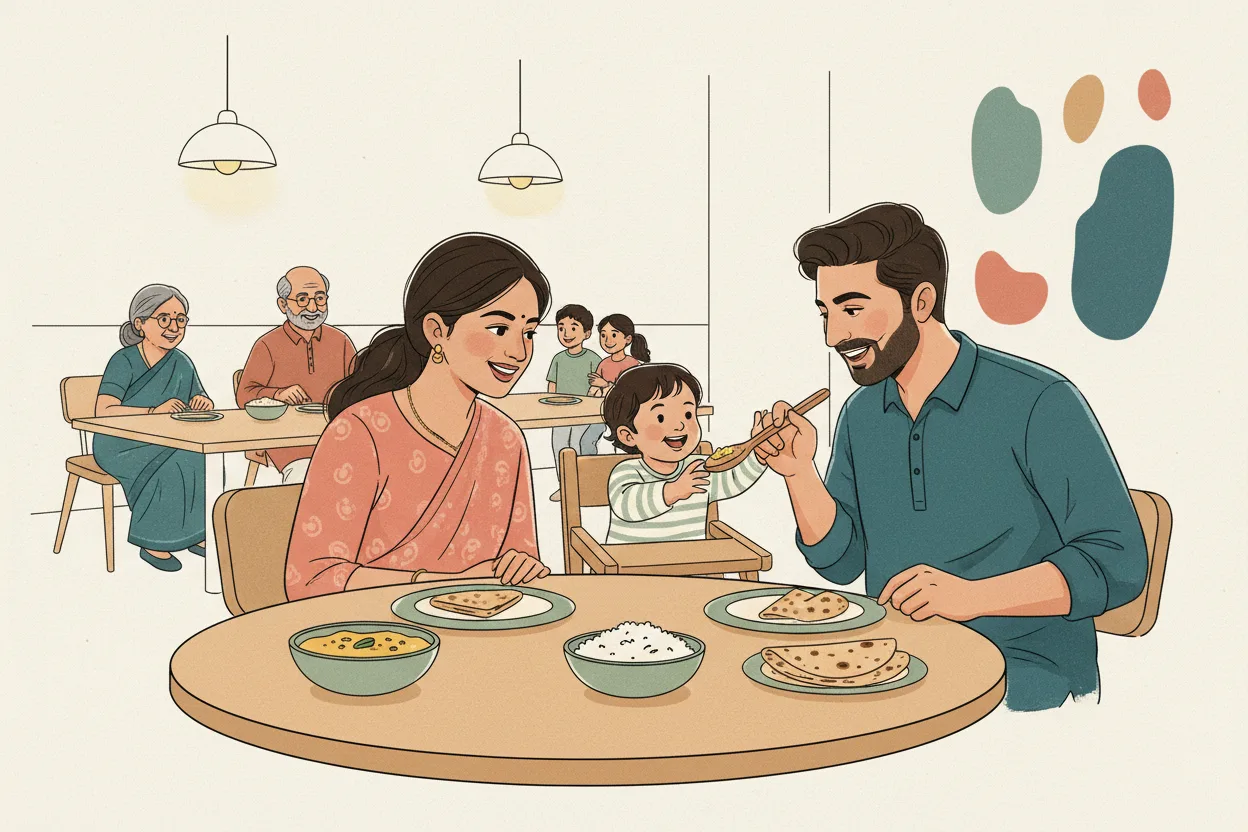

The gap between the evening walk and bedtime is the hardest stretch of the day with a toddler — too wound up to sit still, too early for bed, and screens are an easy but poor default. The fix is 30–45 minutes of active, screen-free, parent-involved play, followed by a short, calm wind-down routine that starts at the same time every night.
Not medical advice — consult your pediatrician for guidance specific to your child.
Why This Hour Feels So Hard in an Indian Home
In most Indian cities, the evening walk or park visit ends around dusk, dinner is still an hour or two away, and both parents are often home and tired after work. That leaves a real gap to fill — and on a lot of days, going back outside isn't an option. Heavy monsoon rain, a heatwave, or a hazy, high-pollution evening can rule out the courtyard, terrace, or park on short notice, and that's reason enough to move the whole session indoors rather than push through it — WHO's fact sheet on children's environmental health states that air pollution is one of the greatest environmental risks to child health.
Heat carries its own risk: the AAP's HealthyChildren.org warns that high temperatures and extreme heat can make young children sick very quickly, so on a hot evening, keep any outdoor stretch short and bring the rest of the activity indoors.
None of this requires a big house or special equipment — a clear patch of living room floor, a sofa, and 30–40 minutes of your attention are enough.
Active, Screen-Free Play First
Before anything calmer, toddlers need to move. WHO's guidelines on physical activity for children under 5 state that toddlers aged 1–2 years should get at least 180 minutes of physical activity of any intensity, spread throughout the day — and the evening slot is a good place to bank some of that if the daytime was mostly naps and car rides.
Indoors, that can look like:
- Chasing a soft ball or balloon across the living room
- Dancing to music, with exaggerated jumps and spins
- An obstacle course using sofa cushions, a laundry basket, and a low stool
- Copying animal walks — crawling like a bear, hopping like a frog
It's tempting to hand over a phone once the walk is done and everyone's tired, but the AAP's HealthyChildren.org states that infants and very young toddlers can't learn much from screens at this age, so cartoons or nursery-rhyme videos aren't recommended for them. Active, child-led play does more for your child at this age, and the AAP explains that this kind of play helps build a toddler's ability to plan, organize, get along with others, and regulate their own emotions — exactly the skills that make bedtime go smoother.
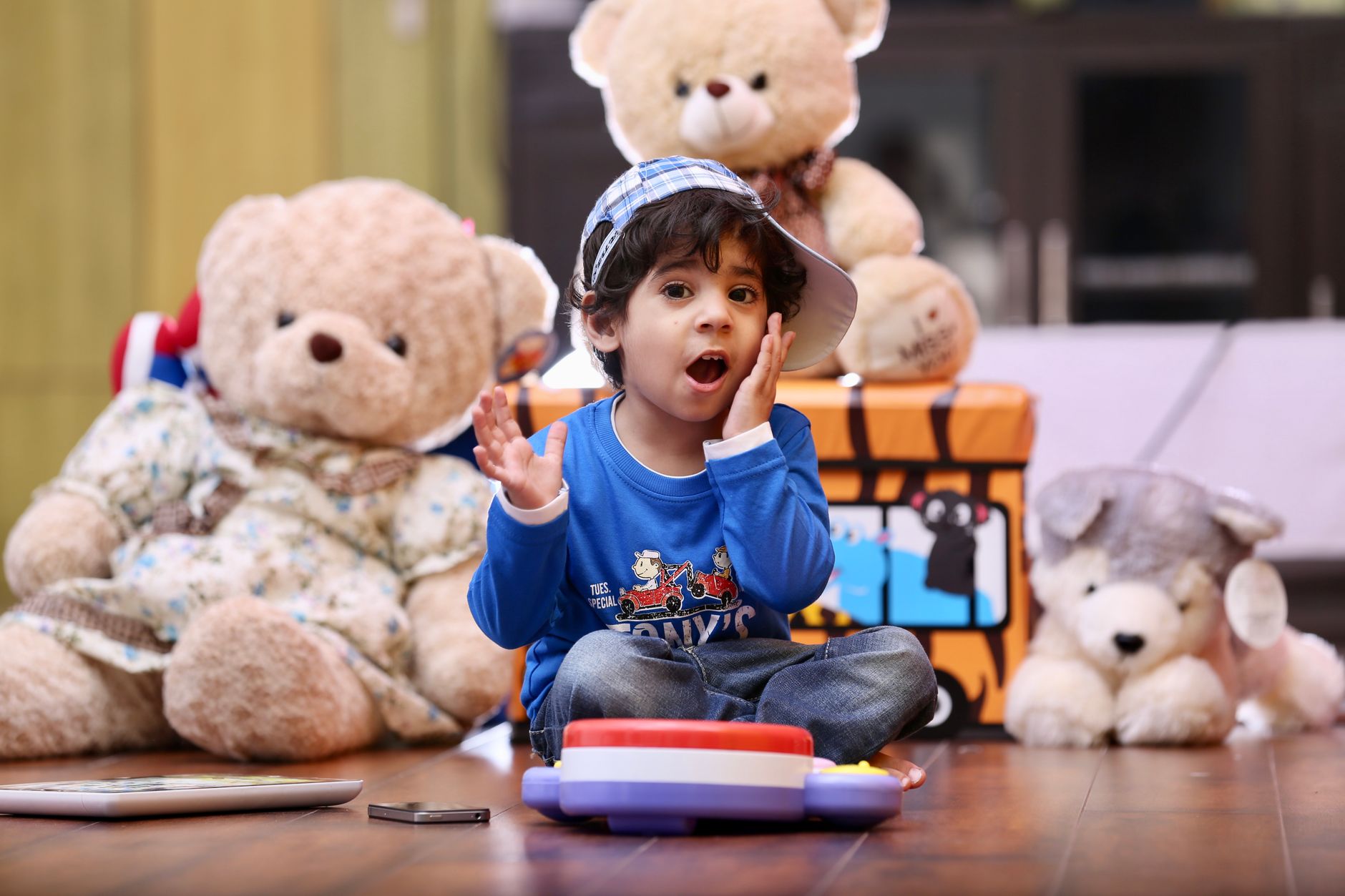 Photo: Nishant Aneja on Pexels.
Get Down on the Floor With Them
Whoever is home — mum, dad, or both — the single highest-value thing you can do in this hour is play at your toddler's level, responding to what they show you rather than directing it. An NIH/PMC-published caregiving and brain-development study found that this kind of responsive, back-and-forth "serve-and-return" interaction — noticing a child's cues and responding to them during play — scaffolds cognitive development.
In practice: if your toddler bangs two blocks together, bang yours too and wait for their reaction. If they point at a picture, name it and ask a question back. It's a five-minute-at-a-time habit, not a structured lesson, and it works just as well with dad leading it as with mum.
Wind Down With a Book
Once the active half of the evening is done, reading together is the natural bridge into the bedtime routine. The AAP states that shared reading, as a positive parenting practice, helps build the foundation for healthy social-emotional, cognitive, language, and literacy development — and it's calm enough to do right after active play, before the lights start going down.
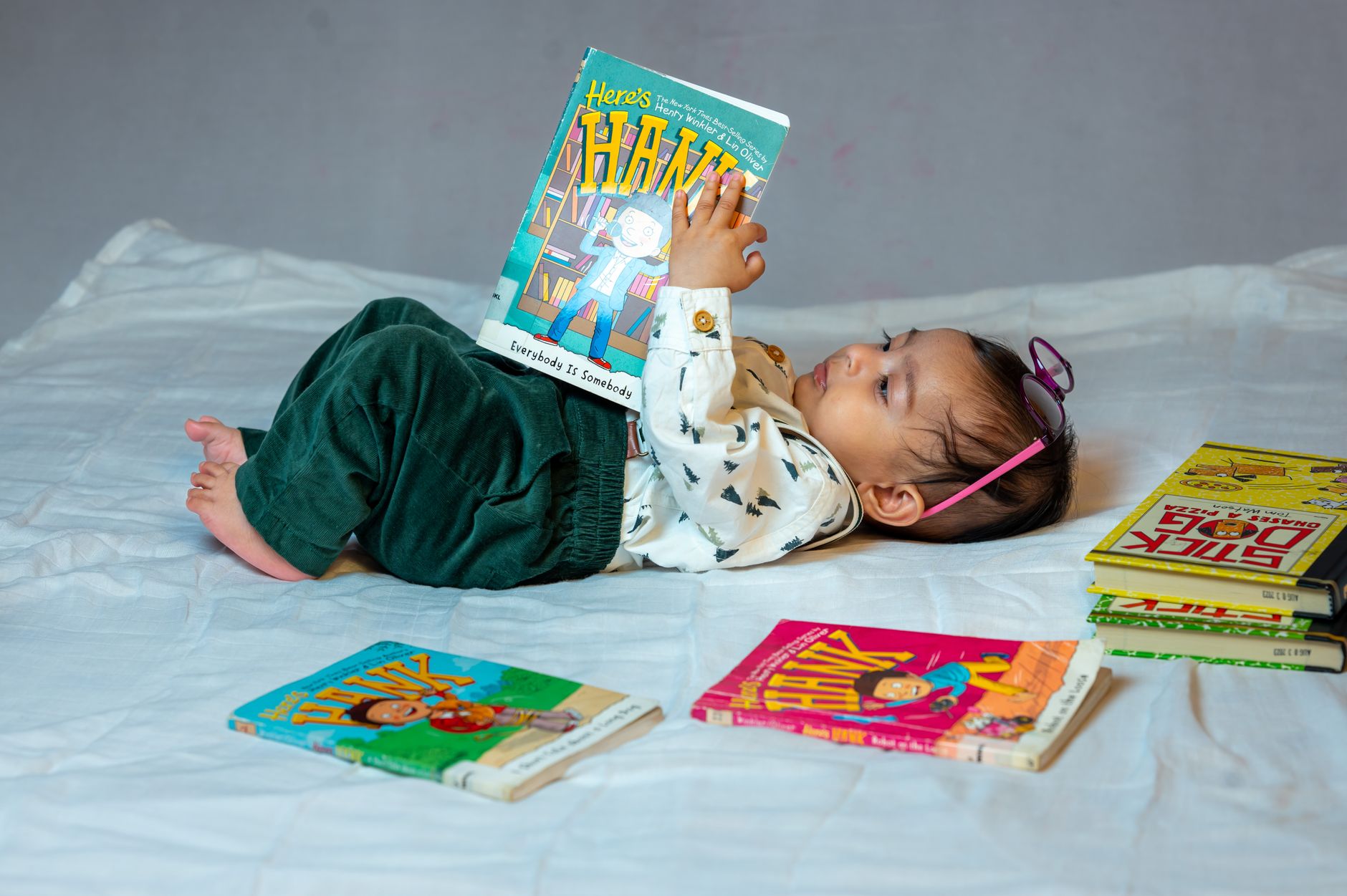 Photo: Sukhen Halder on Pexels.
Board books with thick pages, simple pictures, and a few words per page work best at this age — a toddler will "read" the same three or four books on repeat for weeks, and that's exactly the point.
Make the Wind-Down the Same Every Night
Keep the last 30 minutes before bed as close to identical as you can manage — bath or wash-up, pyjamas, one or two books, lights down, then bed. A 2024 toddler-sleep study (NIH/PMC) found that a consistent bedtime routine, kept up five or more nights a week, is associated with an earlier bedtime, fewer and shorter night wakings, longer nighttime sleep, and fewer caregiver-reported sleep problems.
Screens have no place in this window either. The Sleep Foundation explains that blue light suppresses the production of melatonin, the hormone that promotes sleepiness — so if a screen was used earlier in the evening, switch it off well before this final wind-down starts. As a concrete cutoff, the AAP advises avoiding screens for at least 1 hour before bed.
Gear That Makes These Evenings Easier
| Product | Price Range | Where to Buy |
|---|---|---|
| Soft foam ball or balloon set | Rs. 150 – Rs. 400 | Amazon.in / FirstCry |
| Board books (Indian regional + English) | Rs. 100 – Rs. 350 each | Amazon.in / FirstCry |
| Stacking rings / shape sorter | Rs. 300 – Rs. 900 | Amazon.in / FirstCry |
| Play mat / foam floor tiles | Rs. 800 – Rs. 2,500 | Amazon.in / FirstCry |
A play mat is worth it if your flooring is tile or marble — it gives a soft, dedicated spot for floor-based games and doubles as the reading corner once the lights come down.
Frequently Asked Questions
What age does this evening routine apply to? This is built around toddlers roughly one to two years old, but the same shape — active play, then reading, then a fixed wind-down — works well before and after that range too, with the activities growing more complex as your child grows.
Is it okay to skip the evening walk entirely on a bad pollution or monsoon day? Yes. A hazy, high-pollution evening or a heavy downpour is reason enough to keep the whole active play session indoors — it's not a compromise, just a different version of the same routine.
Can my toddler watch a short video if we're both exhausted? The AAP doesn't recommend cartoons or nursery-rhyme videos for infants and very young toddlers, since they can't learn much from screens at this age. If you need ten minutes to catch your breath, a short stretch of independent play with blocks or books nearby works better than a screen and still lets you sit close.
How do I stop evening play from overstimulating my toddler before bed? Keep the active, high-energy games in the first half of the hour, then deliberately shift down — dim a light, lower your voice, and move to books. A consistent nightly sequence matters more than any single activity for a calm bedtime.
Should dad or mum lead this hour? Either, or both together — the responsive, back-and-forth style of play that supports a toddler's development works the same whichever parent is doing it. Splitting it — one parent on active play, the other on the wind-down — also means neither of you is "on" for the entire stretch every night.
What if we're stuck indoors for days during heavy monsoon weather? Rotate the same toolkit — active play, floor games, reading — and add novelty by rearranging which toys or books come out each evening rather than introducing something new every day. Toddlers this age need the same reliable adult attention and the same closing routine more than they need variety.