
Back pain after a C-section is common, and most of it does ease as you heal. NHS guidance on caesarean section recovery states that full recovery generally takes about six weeks, with driving, exercising, and carrying anything heavier than your baby waiting until your postnatal check clears you. But not all of the ache is about the surgery itself — it can come from the anesthesia, your feeding posture, or weakened core muscles, and each has a different fix.
Not medical advice — consult your doctor or a physiotherapist for guidance specific to your recovery.
Why Your Back Actually Hurts
It's rarely just one thing — for most parents, back pain after a C-section comes from a mix of three factors.
It's probably not the epidural or spinal block. Many new mothers assume the needle in their spine is to blame. A 2025 systematic review and meta-analysis found that "neuraxial anesthesia may not be the cause or the risk factor for the overwhelmingly high incidence of back pain women experience after delivery." It's far more often your posture or your core doing the damage.
Feeding posture is a bigger factor than people expect. A mixed-methods study in Breastfeeding Medicine found that "nursing mothers reported experiencing nonspecific pain in lower back, neck, shoulder, and hand, attributed to breastfeeding." Hours a day spent hunched over a feeding baby adds up quickly, especially in the early weeks.
Diastasis recti — the separation of your abdominal muscles — can turn into a back problem. This muscle separation is common after pregnancy, and it does more than affect how your stomach looks. A cross-sectional cohort study on diastasis recti found that, "clinically, if left untreated, DRA can lead to significant complications including weakened abdominal strength, chronic lower back and pelvic pain." Your core and your back work as a team — when the front is weak, the back compensates and tires out.
How Long Recovery Actually Takes
Most parents want a number, and there is a rough one: about six weeks for the bulk of recovery, per the NHS, before you're cleared for driving, exercise, and heavier lifting. But the visible scar and the underlying healing aren't the same timeline. Cleveland Clinic guidance on C-section recovery states that "an incision — typically a horizontal cut made in your lower abdomen — can take weeks to heal," even while the rest of your recovery is progressing in parallel. That's a large part of why back and core strain can outlast the point where the scar itself looks fine — the deeper muscle and tissue layers are still catching up.
For many parents, some residual pull or ache continues past that point, especially if feeding posture or diastasis recti haven't been addressed — as Cleveland Clinic notes, deeper tissue layers keep healing well after the scar itself looks fine. That's not a sign something has gone wrong; it usually means the core-strength side of recovery needs more deliberate attention.
What Actually Helps
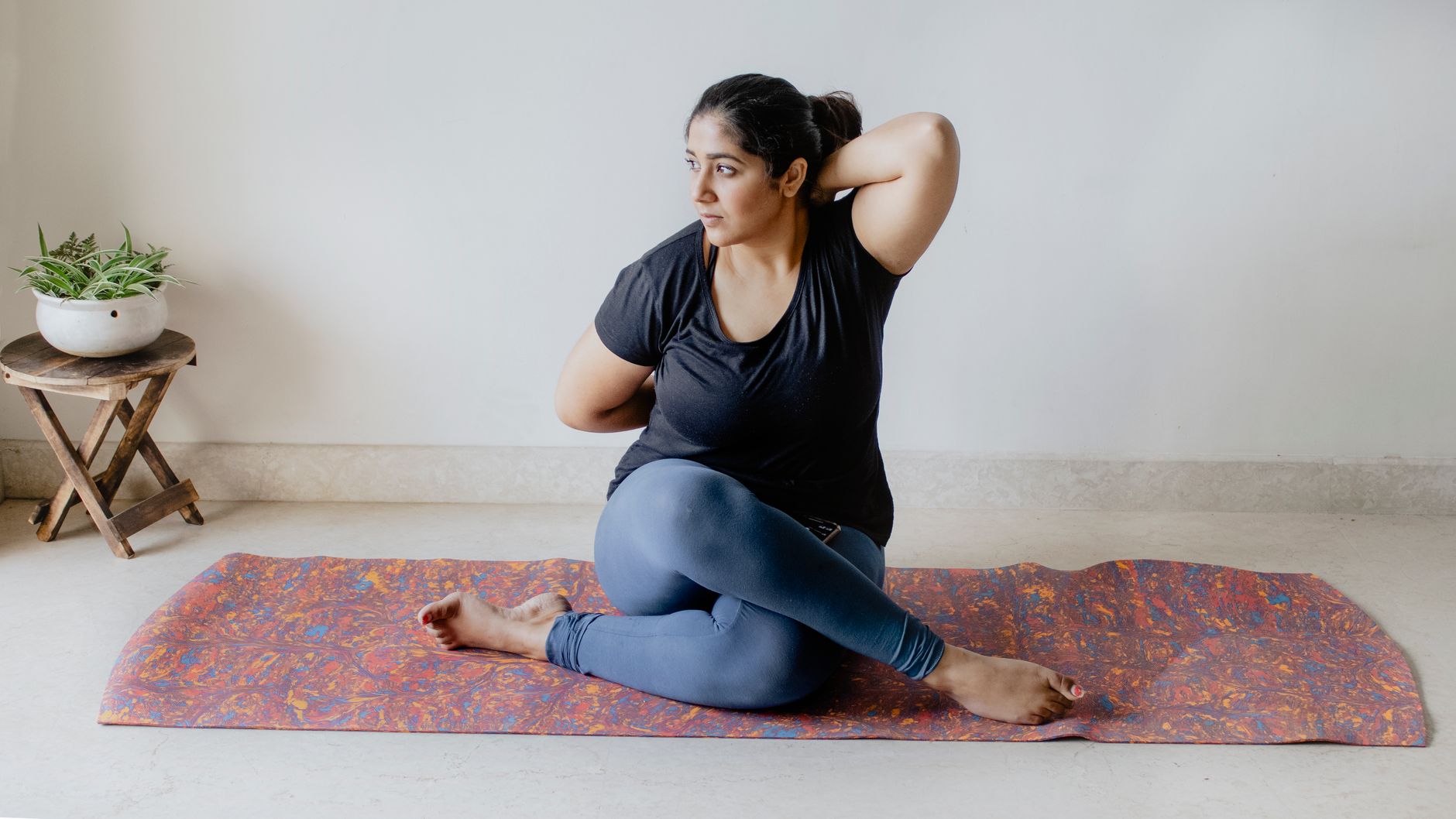
Start core work early, but keep it gentle. A scoping review on postpartum diastasis recti rehabilitation states that "optimal isolated and synergistic contractions of inner unit muscles and tension-free diaphragmatic breathing should be prioritized during the immediate postpartum period for DRA." In practice, this means simple diaphragmatic breathing and gentle pelvic floor and deep-core activation — not sit-ups or planks — can safely start very early, well before you're doing any real exercise. Ask your obstetrician or a women's health physiotherapist to show you the correct technique at your first follow-up.
Fix your feeding setup. Since feeding posture is a real contributor to back pain, bring baby up to breast height instead of leaning down to them. A firm cushion behind your lower back and a nursing pillow or bolster on your lap both take real strain off your spine during long feeding sessions.
Get a physiotherapy referral if pain persists past your six-week check. A women's health physiotherapist can assess your diastasis recti and posture directly and build a plan around your specific recovery, rather than generic advice. Most Indian metros now have postpartum physiotherapists — ask your obstetrician for a referral at your six-week visit if the pain hasn't meaningfully improved by then.
When Back Pain Is a Red Flag, Not Just Recovery
Most postpartum back pain is ordinary healing. A few patterns are not, and need medical attention rather than rest.
| Symptom | What it may mean | What to do |
|---|---|---|
| Headache that's worse sitting/standing, eases lying down, with neck stiffness or nausea | Possible post-dural puncture headache | Call your doctor promptly |
| Fever, spreading redness, swelling, or discharge from the incision | Possible wound infection | Seek medical attention promptly |
| New numbness, weakness, or tingling in a leg, or loss of bowel/bladder control | Needs urgent evaluation | Same-day medical care |
A headache that is clearly worse when you sit or stand and eases when you lie flat, especially with neck stiffness or nausea, is different from ordinary tiredness. A prospective cohort study on post-dural puncture headache found it "is characteristically located in the frontal or the occipital region, aggravated by the upright position and relieved by recumbency" — call your doctor rather than just resting through it.
Watch your incision too. A clinical review on surgical site infections after cesarean delivery states that "wound infection presents with erythema, discharge, and induration of the incision" — spreading redness, discharge, swelling, or fever around the cut need prompt medical attention, not a wait-and-see approach.
And if the back pain comes with anything neurological, don't wait it out. Cleveland Clinic advises getting checked for "new loss of sensation or numbness or tingling in an arm or a leg that wasn't there before." Paired with back pain, or with any change in bladder or bowel control, this needs same-day medical evaluation — it is not routine postpartum recovery pain.
Practical Support Worth Having at Home
| Item | Why it helps | Price Range | Where to Buy |
|---|---|---|---|
| Firm lumbar/back support cushion | Props your lower back while feeding on a bed, sofa, or chair | Rs. 500 – Rs. 1,500 | Amazon.in |
| Nursing pillow (C-shaped) | Brings baby to breast height so you're not hunching | Rs. 600 – Rs. 2,000 | FirstCry |
| Postpartum support belt | Some parents find gentle abdominal support comfortable during daily movement — ask your doctor if it's right for you | Rs. 500 – Rs. 1,800 | Amazon.in |
Frequently Asked Questions
How long does back pain after a C-section actually last? Most recovery happens over about six weeks, though the incision itself can take weeks to heal even after that point, so some residual back or core strain can outlast the visible scar. If it hasn't meaningfully improved by your six-week check, ask for a physiotherapy referral.
Did my epidural or spinal cause this back pain? Probably not directly. A 2025 systematic review and meta-analysis found that neuraxial anesthesia doesn't appear to be a risk factor for the back pain most women experience after delivery — posture, feeding, and core strength are far more likely culprits.
Is it normal for breastfeeding to cause back pain? Yes, this is a known and common pattern. A study in Breastfeeding Medicine found nursing mothers commonly report nonspecific lower back, neck, shoulder, and hand pain linked to feeding posture. Adjusting your setup — bringing baby to breast height with a cushion — can help.
When should I actually worry about a headache after my spinal anesthesia? If it's clearly worse sitting or standing and better lying down, especially with neck stiffness or nausea, that pattern needs medical review — it doesn't resolve with rest alone the way ordinary tiredness does.
Can I start exercising my core right away? Gentle work, yes. A scoping review on postpartum rehabilitation states that gentle deep-core activation and diaphragmatic breathing can safely begin in the immediate postpartum period. Anything more strenuous should wait for your doctor's clearance, generally around six weeks.
What symptoms mean I should call my doctor right away, not just rest? Fever or spreading redness at your incision, a positional headache with neck stiffness, or new numbness, weakness, or tingling in a leg, or loss of bladder/bowel control — these need same-day medical attention, not home rest.
Illustrations and photography: RaisingWell / Pexels.