Diastasis recti — the separation of the two outer abdominal muscles down the midline of your stomach — is one of the most common changes after childbirth, and for most women it eases substantially on its own over the following months. A study in the British Journal of Sports Medicine found that abdominal separation affects 60% of women at 6 weeks postpartum, falls to roughly 45% at 6 months, and to about 33% by 12 months — so a gap you can still feel a few weeks after delivery doesn't automatically mean something has gone wrong.
Not medical advice — consult your gynaecologist or a physiotherapist for a diagnosis specific to you.
What Diastasis Recti Actually Is
Your two long rectus abdominis muscles run vertically down the front of your stomach, joined in the middle by a band of connective tissue called the linea alba. Pregnancy stretches this tissue to make room for your growing baby, and in many women it doesn't fully snap back afterwards, leaving a gap. Cleveland Clinic explains that an abdominal gap wider than 2 centimetres — roughly two or more finger-widths — is considered diastasis recti.
To check yourself: lie on your back with knees bent and feet flat, lift your head and shoulders slightly off the floor as if starting a crunch, and feel along the midline above and below your navel with your fingertips. A gap you can sink two or more fingertips into, especially if the tissue feels soft or domes upward, is worth mentioning to your obstetrician or a physiotherapist at your postpartum check-up.
That's different from a hernia, which needs urgent attention rather than a routine follow-up. Cleveland Clinic warns that sharp or worsening abdominal pain, a bulge that turns red, dark, purple, or firm, or nausea, vomiting, or blood in your stool are hernia warning signs — go to a doctor immediately rather than waiting to see if it settles.
Who Is More Likely to Still Have a Gap a Year Later
Most of the improvement happens whether or not you do anything specific, but not every case closes fully. A cross-sectional study found that a higher pre-pregnancy BMI, having more children, carrying twins, and diabetes independently raise the odds of a persistent gap at various points after delivery. None of these are things you can change by the time you're recovering, but they're useful context — if several apply to you, it's reasonable to be more proactive about physiotherapy rather than waiting to see if the gap closes by itself.
The gap isn't just cosmetic. A cross-sectional ultrasound study found that women with more severe diastasis recti reported significantly higher pelvic and back pain — average pain scores of 6.2 out of 10, compared with 3.5 in women without the condition — linking it to broader core and pelvic floor function. If you're dealing with ongoing back pain, a feeling of heaviness, or core weakness months after delivery, it's worth getting checked rather than living with it.
Physiotherapy, Binding, and the Advice You'll Hear at Home
In most Indian cities, a postpartum physiotherapy assessment plus a course of guided core sessions is available through maternity hospitals and women's health clinics, and many obstetricians refer patients directly at the postnatal check-up. Ask for a referral rather than guessing at exercises from an online video, especially in the first few months.
Many families recommend an abdominal binder, belly wrap, or "dabba" — sometimes worn for weeks at a stretch — as the main fix. A systematic review and meta-analysis of conservative treatments found that isotonic abdominal exercise is the best-evidenced conservative treatment for diastasis recti, and that binding only added modest extra benefit when combined with exercise — it is not, by itself, an effective fix. A binder can make you feel more supported and comfortable in the early weeks, but it isn't a substitute for guided core work.
The Exercises That Help — and What to Avoid Early On
A systematic review and meta-analysis found that structured abdominal muscle training during the first year postpartum measurably reduces the gap between the abdominal muscles, both at rest and when lifting the head. That's the strongest reason to work with a physiotherapist rather than wait passively.
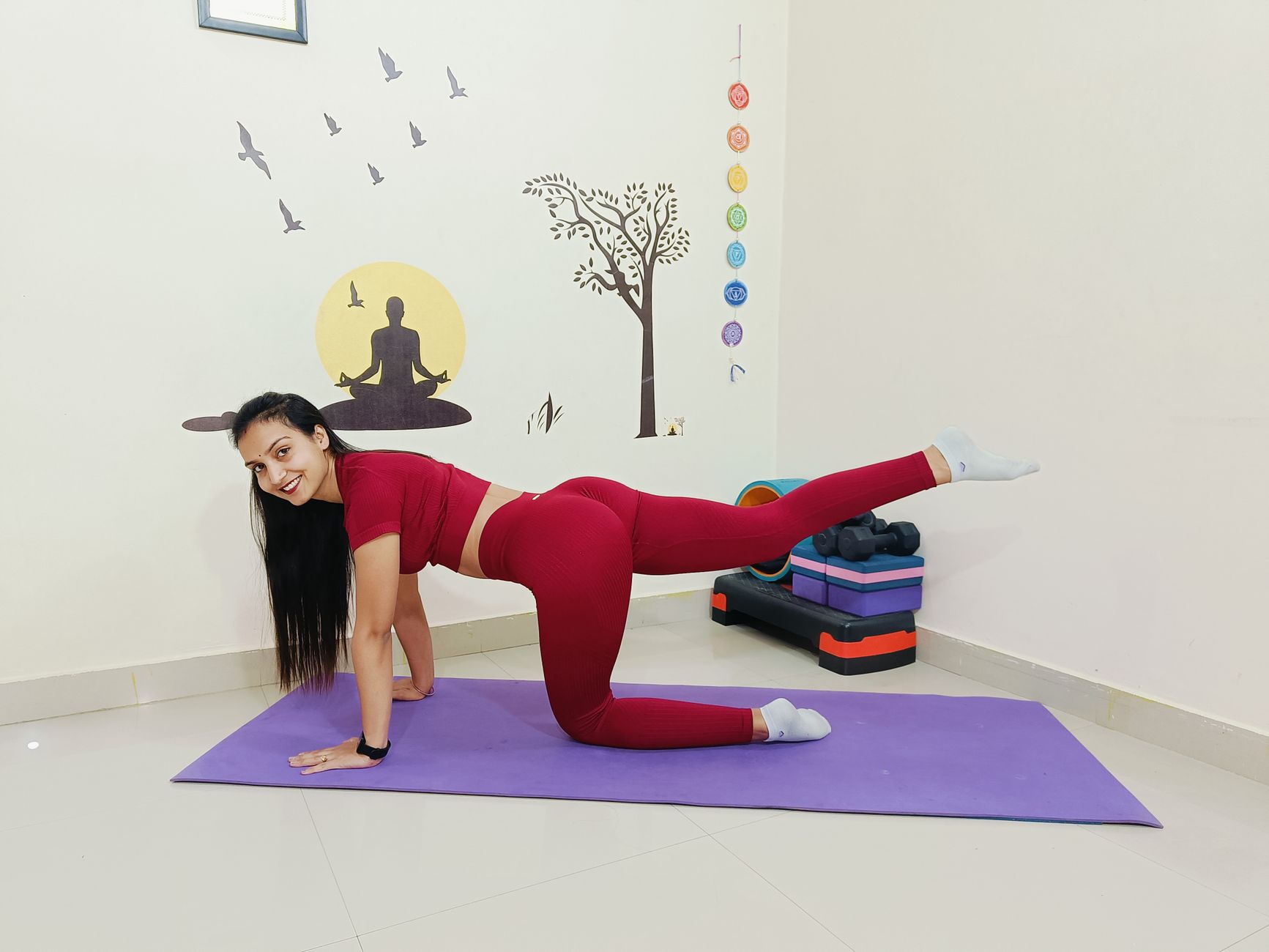
There's no single exercise proven to work best. A systematic review with meta-analysis found only very low-quality evidence that specific transverse-abdominis or curl-up protocols outperform general, minimal core intervention — so there's no need to chase a particular viral routine. A physiotherapist guiding you through safe, progressive core work — deep breathing that engages the transverse abdominis, pelvic tilts, heel slides, and gentle bridges — is a reasonable, well-supported starting point.
In the early weeks, NHS guidance advises avoiding exercises such as sit-ups, planks, and high-impact exercise while your abdominal muscles are still healing, along with straining and heavy lifting. Build up gradually, and let pain or bulging along the midline be your signal to stop and scale back.
When Surgery Is the Right Call
For a small number of women, the gap stays wide and symptomatic — pain, a visible bulge, or a core that doesn't feel like it's holding up — even after months of genuine physiotherapy effort. A cohort study found that surgical repair in these cases substantially improved abdominal trunk function and quality of life, with 98% of patients reporting improved self-rated function and a mean improvement of about 79%. Surgical repair is generally reserved for diastasis recti that remains symptomatic despite a real attempt at conservative, exercise-based treatment first — most gynaecologists will want to see several months of genuine rehab before discussing a surgical opinion.
Recovery Timeline at a Glance
| Stage | What's typical | What to focus on |
|---|---|---|
| 0–6 weeks | Gap is widest; core strength is low | Gentle breathing and pelvic-floor work only; skip sit-ups, planks, and heavy lifting |
| 6 weeks–6 months | Natural narrowing continues | Start guided physiotherapy; progressive, low-impact core exercises |
| 6–12 months | Further narrowing for most women | Continue structured training; reassess with a physiotherapist if the gap stays wide |
| Beyond 12 months, symptomatic | Unlikely to close further without help | Discuss options, including surgery, with your gynaecologist |
Getting Help in India: Typical Costs and Where to Look
| What | Typical cost | Where to look |
|---|---|---|
| Postpartum physiotherapy assessment + course | Varies by city and clinic | Ask your maternity hospital or obstetrician for a referral |
| Postpartum abdominal binder/wrap | Rs 500–1,500 | Amazon.in / FirstCry |
| Women's health / pelvic-floor physiotherapist | Priced per session, varies by clinic | Search "women's health physiotherapist" plus your city, or ask your gynaecologist for a referral |
A binder is worth buying for comfort, not as a substitute for the exercises above — think of it as something that helps you feel more secure while you do the real work of guided core rehab, not a fix in itself.
Frequently Asked Questions
Will diastasis recti go away on its own? For most women, yes, substantially. A study in the British Journal of Sports Medicine found that the proportion of women with diastasis recti falls from 60% at 6 weeks postpartum to about 33% by 12 months. If a gap remains at a year, especially if it's wide or symptomatic, that's the point to actively pursue physiotherapy or a surgical opinion rather than keep waiting.
How do I know if I actually have diastasis recti? Cleveland Clinic defines it as a gap wider than 2 centimetres — about two or more finger-widths — felt along the midline of your stomach. A physiotherapist or your obstetrician can confirm this quickly at your postpartum check-up.
Is wearing a belly binder enough to fix it? Not on its own. A systematic review and meta-analysis found that isotonic abdominal exercise is the best-evidenced conservative treatment, with binding adding only modest extra benefit when combined with exercise. Use a binder for comfort if you like, but pair it with guided core work.
Can I just do crunches and planks to close the gap faster? Not in the early weeks. NHS guidance advises avoiding sit-ups, planks, and high-impact exercise while the gap is still healing, along with straining and heavy lifting. Even later on, a systematic review with meta-analysis found only very low-quality evidence that specific ab exercises like curl-ups outperform general core training, so there's no shortcut protocol worth chasing.
Does having more children or a bigger pregnancy make it worse? It can. A cross-sectional study found that higher pre-pregnancy BMI, more pregnancies, twin pregnancies, and diabetes are each independently linked to higher odds of a persistent gap.
When should I consider surgery? When the gap stays wide and symptomatic — pain, bulging, or a core that doesn't feel functional — despite genuinely trying physiotherapy and exercise for several months. A cohort study found that surgical repair in these cases substantially improved abdominal trunk function and quality of life.
Illustrations: RaisingWell.