If your baby keeps getting diaper rash even in a premium taped diaper, the diaper brand is rarely the real problem. A StatPearls (NIH) clinical review explains that diaper rash comes from a combination of prolonged skin contact with urine or feces, moisture, and friction — not any single irritant. Fix the routine around the diaper, and most rash clears up regardless of which brand you use.
Not medical advice — consult your pediatrician if rash is severe, bleeding, or not improving.
Why Rash Keeps Coming Back Even in Good Diapers
Through a hot afternoon or an overnight stretch, it's easy for a diaper to sit longer than it should — whoever is on duty that shift, whether that's you, your partner, a grandparent, or house help. Since moisture and prolonged contact are the actual drivers of rash, the diaper itself is only part of the equation — the change routine matters as much as the product, and a slightly longer gap between changes is often the real culprit behind rash that a premium diaper alone can't fix.
That said, the product does matter somewhat. A study in Pediatric Dermatology found that superabsorbent disposable diapers cut severe diaper dermatitis roughly in half compared with cloth or older cellulose-only diapers — the study found disposable diapers with cellulose brought severe rash down to about 39% of babies, and superabsorbent diapers reduced it further, to about 29%. So a good taped diaper genuinely helps — it just isn't a substitute for the change routine below.
The Change Routine That Actually Prevents Rash
Change on a schedule, not just when it's obviously full. HealthyChildren.org (AAP) advises changing diapers every three to four hours, or anytime you notice the diaper is soiled — waiting for a visibly heavy diaper lets moisture sit on the skin far longer than it should. In a joint family or with multiple caregivers across the day, agreeing on this timing with everyone who changes baby (grandparents, a nanny, your partner on night duty) closes the gap that causes most rash.
Clean with water or fragrance-free wipes. NHS guidance advises cleaning a baby's skin with water or fragrance-free, alcohol-free baby wipes rather than scented or alcohol-based wipes, which can irritate the skin further. Check the label on whatever wipes you're using — many popular Indian brands make an unscented, alcohol-free version specifically for this reason.
Apply a thick barrier layer, every change. HealthyChildren.org (AAP) recommends applying a thick, visible layer of barrier ointment — zinc oxide or petroleum jelly — like icing on a cupcake, at every diaper change. It doesn't need to be scrubbed off completely at the next change if the area wasn't soiled; just add another layer on top. This is the single habit that prevents the most rash, and it costs almost nothing.
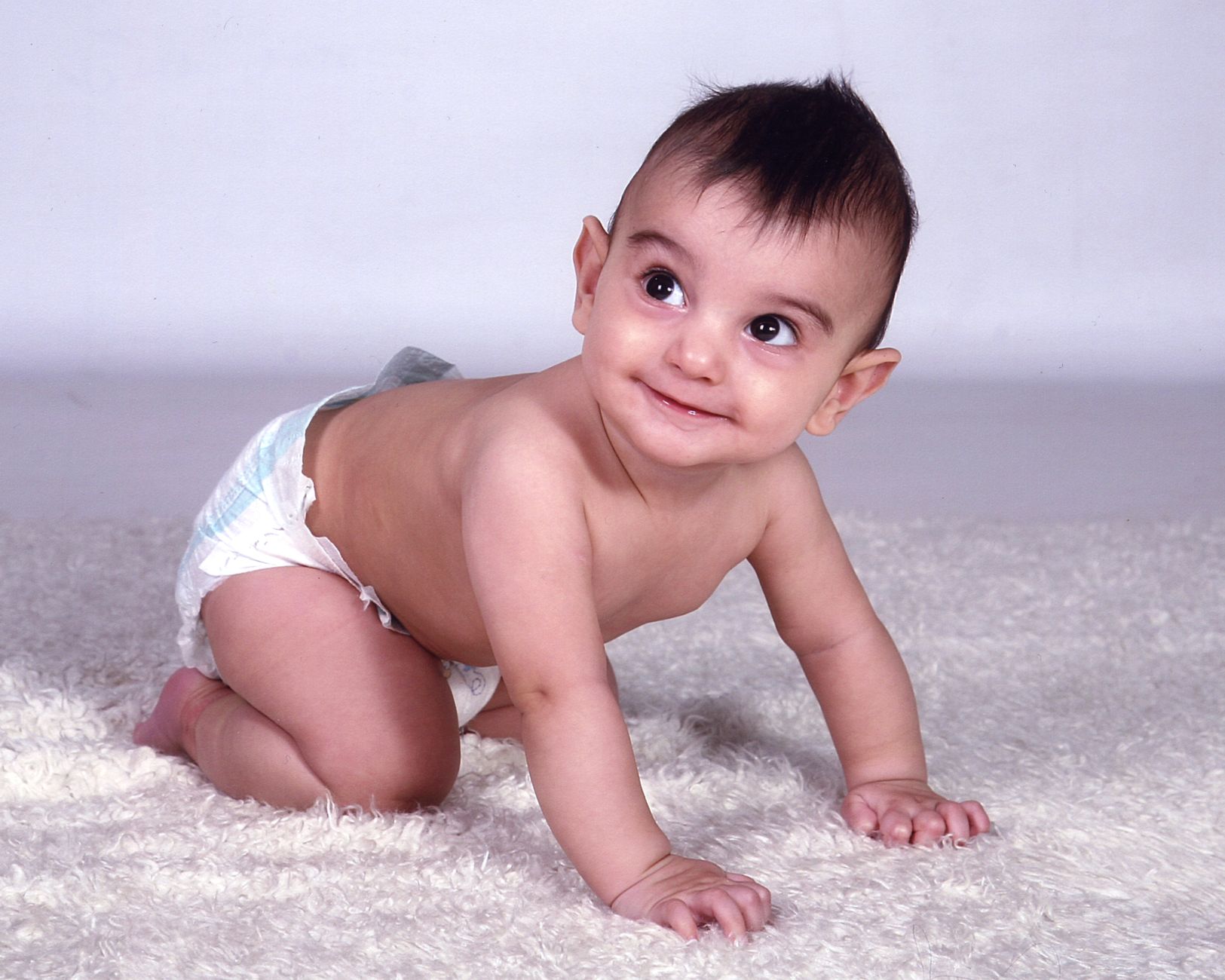 Photo: Bita Kahshidi on Pexels.
Diaper-Free Time: Let the Skin Breathe
Nemours KidsHealth notes that some experts suggest letting a baby go without a diaper for several hours a day, so irritated skin gets a chance to dry out and "breathe." A towel or a washable mat on the bed or floor, during a supervised play session at home, is enough — you don't need a special setup. This is especially useful for a rash that isn't clearing with barrier cream alone: skin heals faster when it isn't sitting against a wet surface all day.
What to Avoid Near the Diaper Area
Skip talcum or baby powder entirely. HealthyChildren.org (AAP) warns that talc-based baby powder can contain asbestos fibers, and it's best avoided on a baby's skin altogether — including the diaper area, where it's traditionally used in many Indian homes to keep skin dry. A barrier ointment does the job of keeping skin protected without that risk.
When It's Not Ordinary Rash: Yeast Infection
If a rash isn't responding to barrier cream and diaper-free time within a couple of days, it may be a yeast (candida) infection rather than ordinary irritation. Cleveland Clinic explains that a yeast rash looks different: a deep red or shiny patch of skin, sometimes purple, often with small bumps or tiny fluid-filled pimples — and it can follow a course of antibiotics baby or a breastfeeding mother has recently taken.
Ordinary barrier cream isn't enough here. A StatPearls (NIH) clinical review states that a topical antifungal such as nystatin, applied at every diaper change, is generally the first treatment and usually gets a good response. This needs a prescription, so if you see the signs above, call your pediatrician rather than waiting it out.
A concrete rule for when to call, even without yeast symptoms: Cleveland Clinic advises contacting your baby's healthcare provider if the rash doesn't look like it's going away, or gets worse, two to three days after you start the change-routine-plus-barrier-cream treatment above. Waiting much longer than that on a rash that isn't improving rarely helps.
If you're exclusively breastfeeding, that's a genuine advantage here. A StatPearls (NIH) clinical review notes that breastfeeding is a protective factor against diaper dermatitis, tied to differences in stool pH and gut microbiota compared with formula feeding — one more reason exclusively breastfed babies often see less rash, on top of the routine above.
Products That Actually Help
| Product | What it's for | Price Range | Where to Buy |
|---|---|---|---|
| Superabsorbent taped diapers | Everyday wear — cuts rash risk vs. cloth/basic diapers | Rs. 500 – Rs. 1,200 (pack) | Amazon.in / FirstCry |
| Zinc oxide barrier cream | Applied thickly at every change | Rs. 150 – Rs. 400 | Amazon.in / FirstCry |
| Fragrance-free, alcohol-free baby wipes | Cleaning at each change | Rs. 150 – Rs. 350 | Amazon.in / FirstCry |
| Washable changing mat | For diaper-free floor/bed time | Rs. 300 – Rs. 700 | FirstCry |
A barrier cream is not the right treatment for a yeast rash — an antifungal such as nystatin is what a StatPearls (NIH) clinical review recommends, and that needs a prescription from your pediatrician.
Frequently Asked Questions
We use a premium diaper brand and still get rash — what are we doing wrong? Probably nothing about the brand. Diaper rash comes mainly from moisture and prolonged skin contact, not the diaper itself. Tighten the change routine first — every three to four hours, a thick barrier layer at every change — before switching diapers again.
How often should we actually be changing diapers? Every three to four hours, or as soon as you notice the diaper is soiled. Overnight, change at the first wake-up rather than leaving one diaper on for the whole night if rash is a recurring problem.
Do we need to wipe off all the old cream before reapplying? No. The AAP says you don't need to scrub it off completely if the area wasn't soiled — just add a fresh thick layer on top at the next change.
Is talcum powder okay to use for a rash-prone baby? No. Talc-based baby powder can contain asbestos fibers and is best avoided on a baby's skin. Use a barrier ointment instead.
How do I know if it's a yeast infection instead of regular rash? Look for a deep red or shiny patch, sometimes with small bumps or tiny pimples, especially if it followed a course of antibiotics or isn't responding to barrier cream. That needs an antifungal cream from your pediatrician, not more zinc oxide.
Does cloth diapering cause more rash than disposables? Research points that way. A study in Pediatric Dermatology found superabsorbent disposable diapers roughly halve the rate of severe diaper dermatitis compared with cloth or older cellulose-only diapers. If rash is a persistent problem, superabsorbent taped diapers combined with a strict change routine is the better combination.