Wearing a diaper around the clock is not, by itself, what harms a newborn. What harms the skin is a wet or dirty nappy left on. A StatPearls (NIH) clinical review of diaper dermatitis explains that nappy rash results from a combination of increased moisture, prolonged contact with urine or faeces, and other irritants — and that exposure to those irritants is reduced by frequent diaper changes and superabsorbent diapers that keep the skin from over-hydrating.
So your mother is not simply wrong, and the part she is right about is worth taking seriously. She is also not right about everything, and the specific claims matter. Here is each one, tested.
One thing to settle first, before any of it: rash is not a verdict on you. A systematic review protocol published in PLOS ONE reports that about 70% of infants and young children get nappy rash at some point in their nappy years, most often as irritant contact dermatitis from urine and faeces, overhydration of the skin, raised skin pH and friction.
Not medical advice — consult your pediatrician about your own baby.
The Claims, One by One
| What you're being told | What the evidence says |
|---|---|
| "A nappy on all the time causes rash" | Broadly supported — the NHS says wearing a nappy all the time makes nappy rash more likely |
| "Disposables are worse than cloth for the skin" | Not established either way — a Cochrane review found the trial evidence insufficient |
| "Diapers cause bow legs" | Not supported — bowing is normal in young children and usually straightens by about age 3 |
| "The bulk between the legs spoils the hips" | The opposite concern applies — nappies that hold the hips flexed and apart were linked to fewer dislocations |
| "Diapers cause infertility in boys" | Not demonstrated — the study behind this measured temperature only, not fertility |
Where She Is Right: Skin Needs Air and Fast Changes
This is the real, evidenced core of the advice. NHS guidance on nappy changing says that a baby's nappy needs changing as soon as they wet or soil it, otherwise the skin becomes sore and red, that changing promptly helps prevent nappy rash, and that if it is warm enough you should let your baby lie on the changing mat without a nappy on for a while — because wearing a nappy all the time makes rash more likely.
Notice what that does and does not say. It argues for more changes and some nappy-free time — not against diapers as a category. The Indian Academy of Pediatrics (Neonatology Chapter) recommendations on neonatal skincare, written for hospitalised newborns, state that superabsorbent diapers are recommended because they trap urine and stool, preventing over-hydration and keeping stool away from the skin. Indian paediatric guidance is not anti-diaper. It is anti-wetness.
On cloth versus disposable specifically, honesty is the right answer: a Cochrane systematic review concluded that there is not enough evidence from good quality randomised controlled trials to support or refute the use and type of disposable nappies for preventing nappy rash. Anyone who tells you cloth is proven gentler, or disposables proven better, is going beyond the trials.
Where the Folk Claims Don't Hold Up
Bow legs. NHS patient information on bow legs states that most children have some bowing of the legs when they start to walk, that it gradually straightens out usually by the time they reach three years old, and that most children need no treatment at all. Nemours KidsHealth lists the recognised causes as normal physiologic bowing, rickets from lack of vitamin D or calcium, Blount disease, and injury or infection affecting bone growth near the knee. Diapers are not on that list.
If bone development is the real worry, there is a far more useful lever. NHS guidance on vitamins for babies recommends a daily supplement containing 8.5 to 10 micrograms of vitamin D for breastfed babies from birth to one year, because vitamin D helps babies' bones develop properly. Ask your paediatrician about drops at your next visit.
Hips. Here the traditional practice carries the risk, not the modern one. The International Hip Dysplasia Institute explains that a baby's legs should not be tightly wrapped straight down and pressed together, because swaddling with the hips and knees extended may increase the risk of hip dysplasia and dislocation — and that a historic fall in dislocation rates was attributed to nappies that kept the hips slightly abducted and flexed. The Institute's position statement adds that infant hips should sit in slight flexion and abduction. A tightly knotted langot with the legs pulled straight is the thing to watch; a bulky nappy that keeps the knees frog-like is not.
Infertility. This traces back to a single 2000 study. The Archives of Disease in Childhood paper reported that scrotal temperature is increased in boys wearing disposable plastic-lined nappies, and that the findings establish a basis for further research on the impact of raised testicular temperature in infancy on later spermatogenesis. It measured temperature, not fertility — and that is still where the honest answer sits.
Where Langot and Desi Nappies Genuinely Earn Their Place
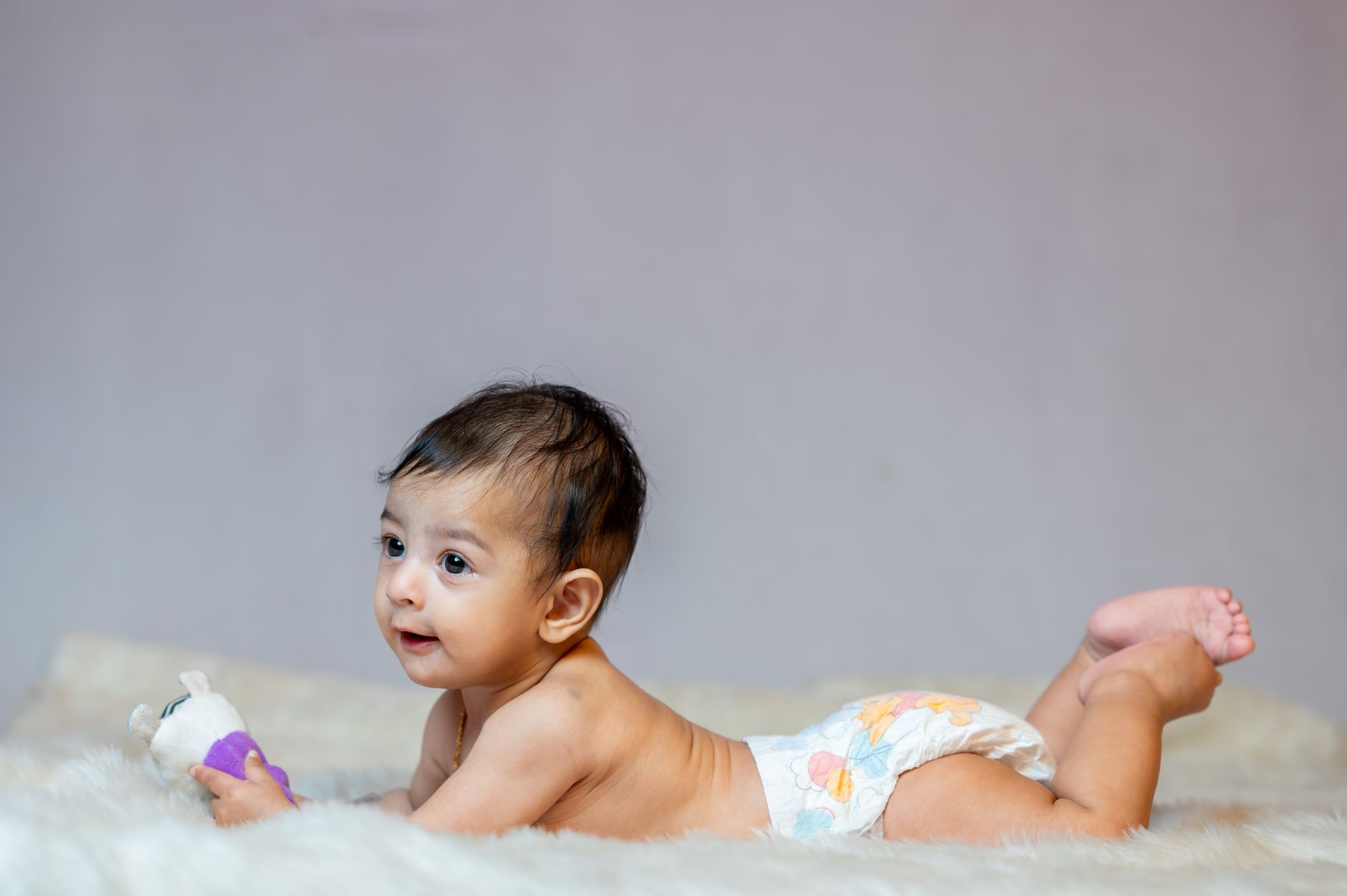
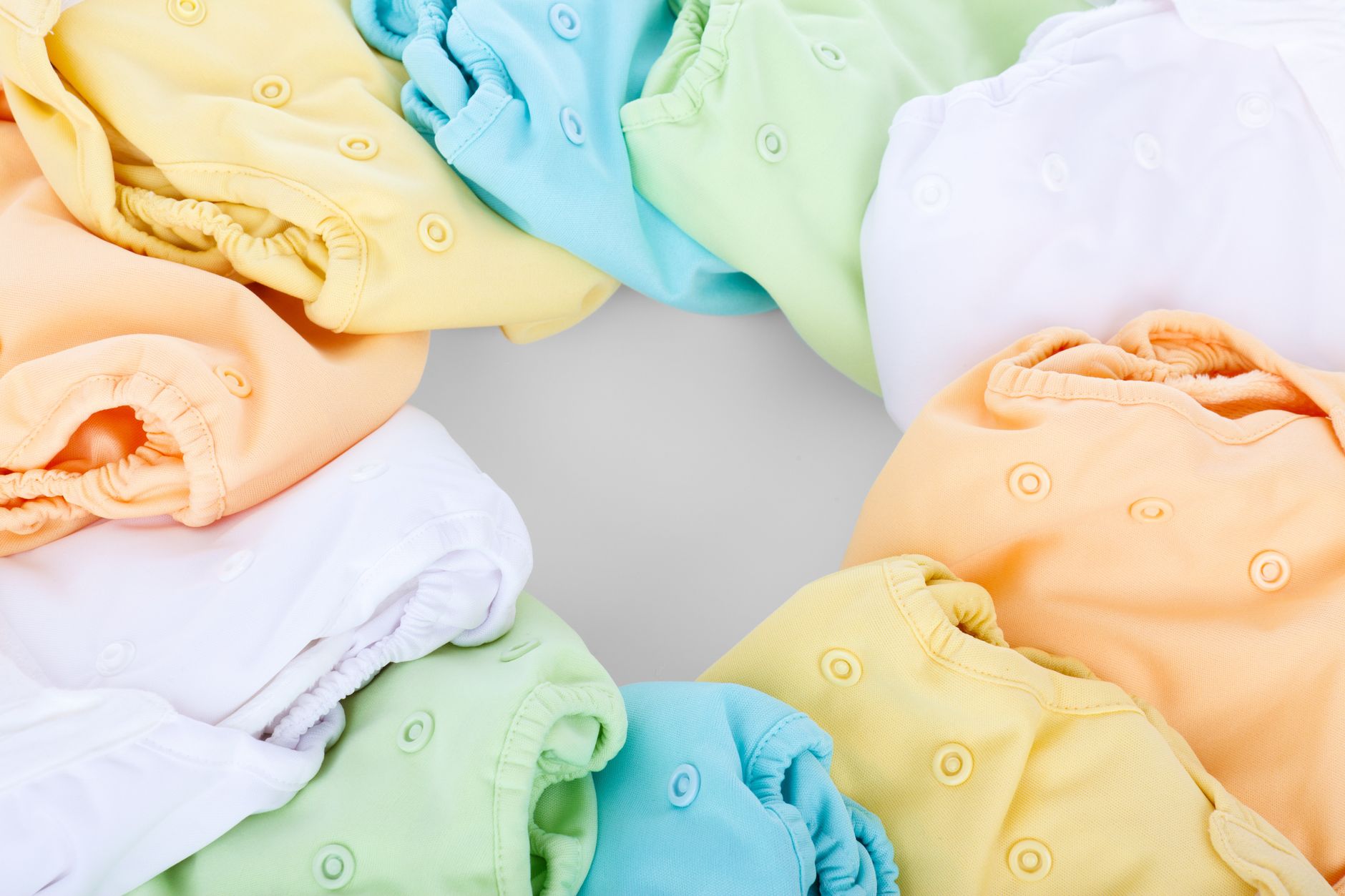 Photo: Public Domain Pictures on Pexels.
Air, especially in Indian heat. A loose langot or muslin nappy in a warm room is essentially structured nappy-free time. That matters here: NHS guidance on heat rash explains that it is caused by blocked sweat glands when a person sweats a lot, that babies often get it because they cannot control their temperature as well as older children, and that loose cotton clothing helps.
The cord stump, at two weeks. Sheffield Children's NHS Foundation Trust advises keeping the cord dry and clean to reduce the chance of infection, and keeping it out of the nappy area so wee and poo cannot reach it — the stump generally falls off between 5 and 15 days after birth. A low-tied langot or a taped nappy folded below the navel both do this.
Cost and waste. Cloth is cheaper over months and makes far less rubbish. That is a real reason, and it needs no medical justification.
The Part Nobody Mentions: The Washing
This is where "just use langot" collides with a two-week-old and a mother recovering without japa help.
Newborn output is high by design. NHS guidance on whether a baby is getting enough milk says that from day 5 onwards you should see at least 6 heavy, wet nappies every 24 hours — the minimum you want to see, not the total. The NHS Best Start in Life guidance puts the workload plainly: around 10 to 12 nappy changes a day at the start, dropping to 6 to 8 later — close to the 8 to 12 a day that HealthyChildren.org (AAP) describes.
Ten desi nappies run out well before the end of a single day, once you allow for soaking, washing and drying. In monsoon or through a Bengaluru winter, cloth can take a day and a half to dry indoors. That is the honest trade-off — less "cloth is better" versus "diapers are better", more "which of you is running this laundry, and when does either of you sleep".
A Routine That Uses Both
There is no need to pick a side here. Split it by time of day instead.
| Time | What to use | Why |
|---|---|---|
| Morning, awake at home | Langot or muslin nappy | Air, easy to change, cord stays clear |
| Two or three stretches a day | Nothing, on a waterproof mat | The nappy-free time the NHS suggests |
| Outings, doctor visits, guests | Taped disposable | Fewer changes to manage away from home |
| Night and long naps | Taped disposable | Protects your sleep, which is the point |
For the nappy-free stretches, lay a waterproof mat on the bed or sofa, put a muslin over it, and let the baby lie there for ten or fifteen minutes after a change — right after a wee, not before one. Your partner can own one of these stretches; it is a low-pressure way for him to be on baby duty while you lie down.
When the washing gets ahead of you, switch to disposables for a day without guilt.
What to Buy in India
- Muslin or cotton langot, pack of 12–15 — roughly ₹400–₹900 on Amazon or FirstCry. Buy more than you think you need.
- Waterproof changing mats, set of 2–3 — about ₹500–₹1,200 on Amazon or FirstCry. These make nappy-free time practical on a bed.
- Newborn taped diapers — roughly ₹700–₹1,400 a large pack on FirstCry or Amazon. Taped, not pants, at this age — easier to fold below the cord stump.
- Zinc oxide barrier cream — about ₹200–₹500 on Amazon. Useful under cloth and disposables alike.
Frequently Asked Questions
My mother says her children never wore diapers and are fine. Is she wrong? No, and you can say so out loud. Cloth worked, and it still works. What is new is the evidence on why rash happens: a StatPearls (NIH) review points to moisture, prolonged contact with urine or faeces and other irritants — a change-frequency problem in either system.
Is it safe to leave a disposable on all night at two weeks old? For a healthy newborn on a normal night, yes, with the caveat that the NHS advises changing as soon as the baby wets or soils the nappy. At this age a night feed usually means a change anyway.
How much nappy-free time is enough? There is no prescribed number. The NHS simply suggests letting your baby lie without a nappy for a while when it is warm enough, so two or three short daytime stretches on a waterproof mat is a sensible target.
Will a langot make my baby's legs straighter? No. Bowing of the legs is normal in young children and usually straightens by about age 3 without treatment. If anything, tight straight-leg wrapping is the pattern to avoid, because infant hips should sit in slight flexion and abduction.
It's peak monsoon and nothing is drying. Am I harming the baby by using disposables all week? No. The Cochrane review found the evidence insufficient to support or refute disposable nappies for preventing nappy rash, and Indian paediatric neonatal skincare recommendations positively recommend superabsorbent diapers for keeping urine and stool off the skin. Change often, use a barrier cream, and call your paediatrician if rash is severe, bleeding or not improving.