
You don't need a nanny, a gym membership, or two free hours to protect time for yourself. Taking small chunks of time for yourself as early as possible is one of the best ways to keep from feeling trapped as a new parent, according to the American Academy of Pediatrics — and 20-30 minutes, used consistently, is enough to start.
Not medical advice — consult your doctor before starting or resuming exercise after childbirth.
Why This Feels Harder Than It Should
If you have parental support at home but no nanny, and you're also job-hunting, your day probably has no natural gap in it — you're either with the baby, managing the house, or on your laptop. That's a real scheduling problem, not a discipline problem. It also isn't a sign you're failing: about 1 in 8 women with a recent live birth report postpartum depressive symptoms, according to a CDC report — feeling stretched and low is common, not a personal failing.
Two things make this worth solving rather than pushing through:
A narrative review published in NIH's PubMed Central found that physical activity during the postpartum period is associated with a lower incidence of postpartum depressive symptoms. And poor sleep quality is significantly associated with greater depressive and anxiety symptoms in mothers of 6-month-old infants, per a study in NIH's PubMed Central — so on the nights sleep is short, a short walk or stretch session can matter more, not less.
How Much You Actually Need
Forget the idea that exercise only "counts" as an hour-long gym session. The CDC recommends at least 150 minutes of moderate-intensity aerobic activity a week during the postpartum period, and says you don't have to do it all at once — that's roughly 20-25 minutes a day, or 30 minutes five days a week, split however your day allows.
That target is also useful on the days you can't hit it. A study in NIH's PubMed Central found that even a single short bout of exercise — a brief walk, in the study's case — measurably reduced fatigue right after the session. You don't need the full 150 minutes to feel the benefit of the 12 minutes you actually got.
If you're breastfeeding and worried that exercise will affect supply, it's a common concern but not a reason to skip it: La Leche League International states that research shows moderate exercise does not affect milk supply. Feed or pump before a workout if you prefer a lighter feeling, and keep drinking water.
Time-Blocking That Survives Real Days
The goal isn't a perfect schedule — it's one protected slot that doesn't depend on the day going well.
| Approach | What it looks like | Best for |
|---|---|---|
| Fixed morning slot | Same 20-30 minutes right after the first morning feed, before the day gets reactive | Predictable mornings, family home during the day |
| Nap-window slot | Baby's most reliable nap becomes "your" block, no laptop allowed in it | Unpredictable mornings, job-hunting in the afternoon |
| Handoff slot | A grandparent or your partner takes the baby for a set window daily | Multi-generation homes, or partner working from home part of the day |
| Split slot | Two 10-15 minute sessions instead of one 20-30 minute one | Days with no single long gap |
Pick one, not all four — a single slot you actually protect beats an ideal schedule you keep negotiating away.
Workouts That Don't Need a Gym or Extra Help
At-home options remove the two biggest blockers — travel time and needing someone to watch the baby the whole time:
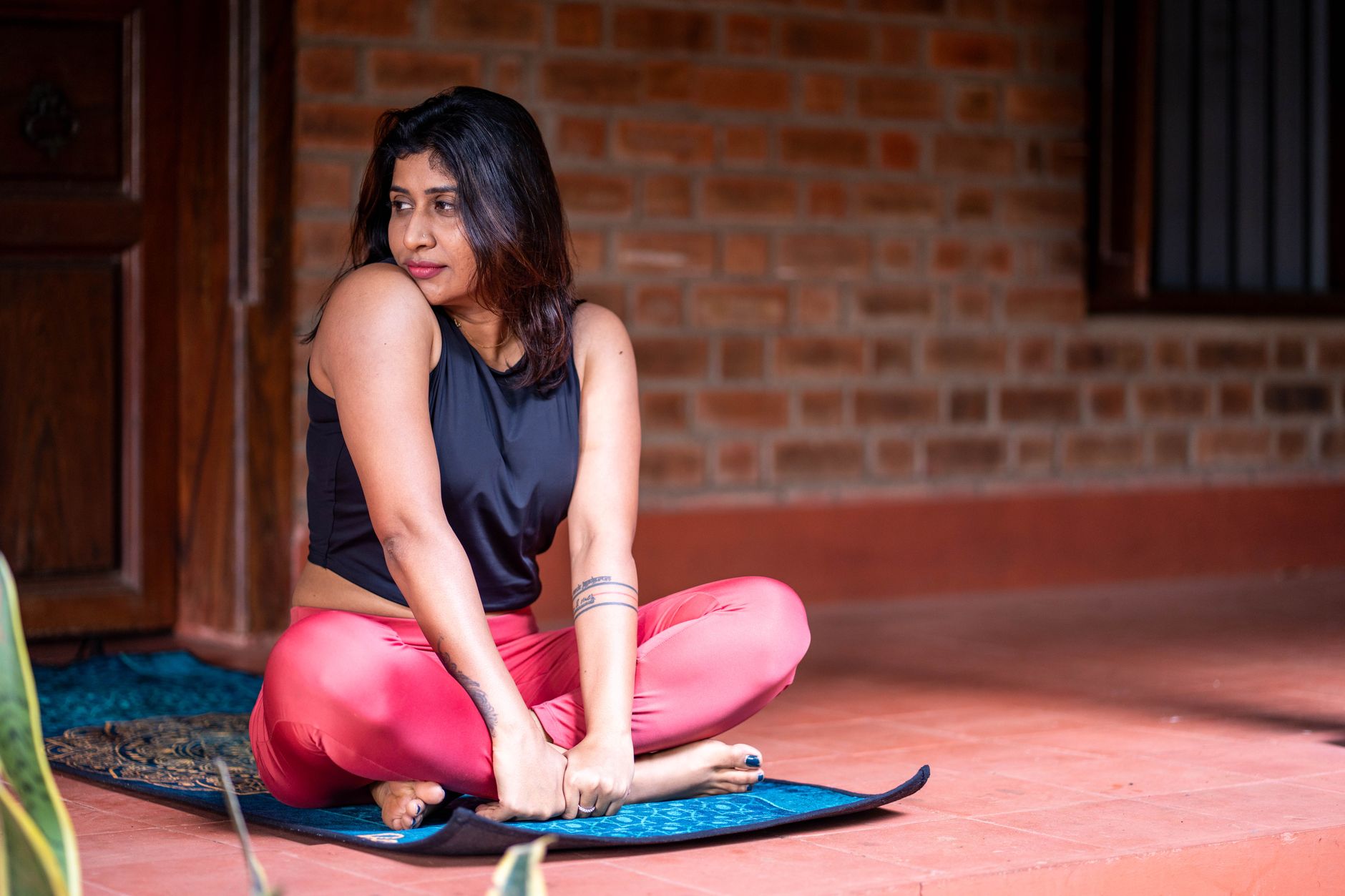
- A bodyweight routine (squats, lunges, planks, bridges) done on a mat in your room, 15-20 minutes, while baby is on a play mat nearby or napping.
- A walk with the pram or carrier around your colony or a nearby park — doubles as baby's outdoor time, so it doesn't compete for a separate slot.
- YouTube postpartum yoga or Pilates — search for a "postnatal" or "postpartum" specific routine, since general yoga videos may include poses your doctor hasn't cleared yet.
- Stair climbing in your building, in short 5-minute rounds between other tasks — a good option when outdoor space is limited.
None of these need equipment beyond a mat and comfortable clothes, and all of them fit inside the 20-30 minute window you've blocked.
Asking Family for a Protected Slot Without Guilt
In a home with grandparents or in-laws around, the practical fix is often simpler than it feels: ask for one specific, repeating slot, not open-ended "help."
Say the slot, not the request for time off — "I'll do my walk from 6 to 6:30 every evening, could you keep an eye on the baby then?" is easier to say yes to than "I need a break sometimes." A specific, recurring ask also means no one has to renegotiate it daily.
Support isn't just about hands-on baby time. A study in NIH's PubMed Central found that lower social support was linked to a higher risk of postnatal depression, even after adjusting for other factors — so a family member simply being available on your call, or covering one household task, counts as real support too.
If you're also job-hunting, treat your protected slot the same way you'd treat a call you can't move — block it on your phone calendar, and let family see it's a fixed commitment, not a flexible "if there's time" activity.
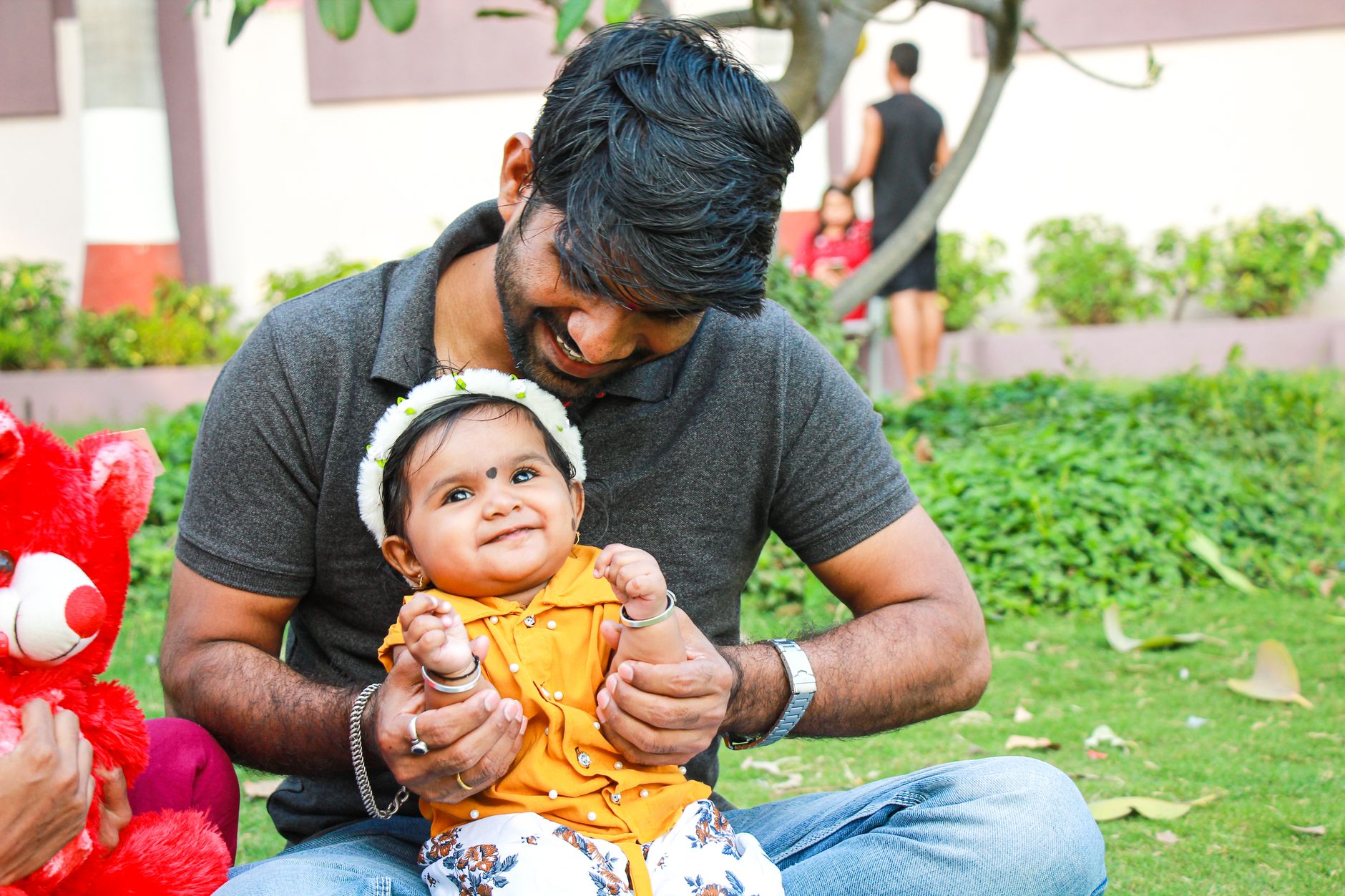 Photo: Rahul Lavhande on Pexels.
Handing the baby to your partner for a set block works the same way — he's a parent covering his shift, not "helping out" for the afternoon. A predictable daily window (his commute-free hour, or right after he gets home) is easier for both of you to hold onto than an ad-hoc "can you take her for a bit?"
Gear That Makes It Easier
A short list covers most of what makes a home routine or a walk more comfortable:
| Item | Price Range | Where to Buy |
|---|---|---|
| Yoga mat | Rs. 500 – Rs. 1,500 | Amazon.in |
| Supportive sports bra | Rs. 500 – Rs. 1,800 | Amazon.in |
| Baby carrier (for walks) | Rs. 1,500 – Rs. 4,500 | FirstCry |
| Resistance bands (for home strength work) | Rs. 300 – Rs. 900 | Amazon.in |
A mat and a carrier cover most of what you need — everything else is optional.
Frequently Asked Questions
How soon after delivery can I start exercising again? This depends on your delivery and recovery, so get your doctor's clearance first, especially after a C-section. Once cleared, the CDC's postpartum activity guidance applies — start gradually and build toward 150 minutes a week.
Will a 20-minute workout actually make a difference, or do I need a full hour? A short session counts. Research in NIH's PubMed Central found that even a single brief bout of exercise measurably reduced fatigue right afterward — consistency in short sessions matters more than occasional long ones.
I'm breastfeeding — will working out reduce my milk supply? No. La Leche League International states that moderate exercise does not affect milk supply. Feed or pump beforehand if it's more comfortable, and stay hydrated.
How do I ask my in-laws for time without it becoming an argument? Ask for a specific, repeating slot instead of open-ended help — a fixed 20-30 minutes at the same time daily is easier for everyone to plan around than an occasional request.
What if I only get 10 minutes some days? Take it. Splitting your activity into smaller chunks across the day is explicitly fine per the CDC — two 10-minute sessions add up the same as one 20-minute one.
Is it normal to feel guilty taking time for myself? Yes, and it's worth pushing past anyway. The AAP notes that protecting small chunks of time for yourself is one of the best ways to avoid feeling trapped as a new parent — and a rested, supported parent is better placed to care for the baby.