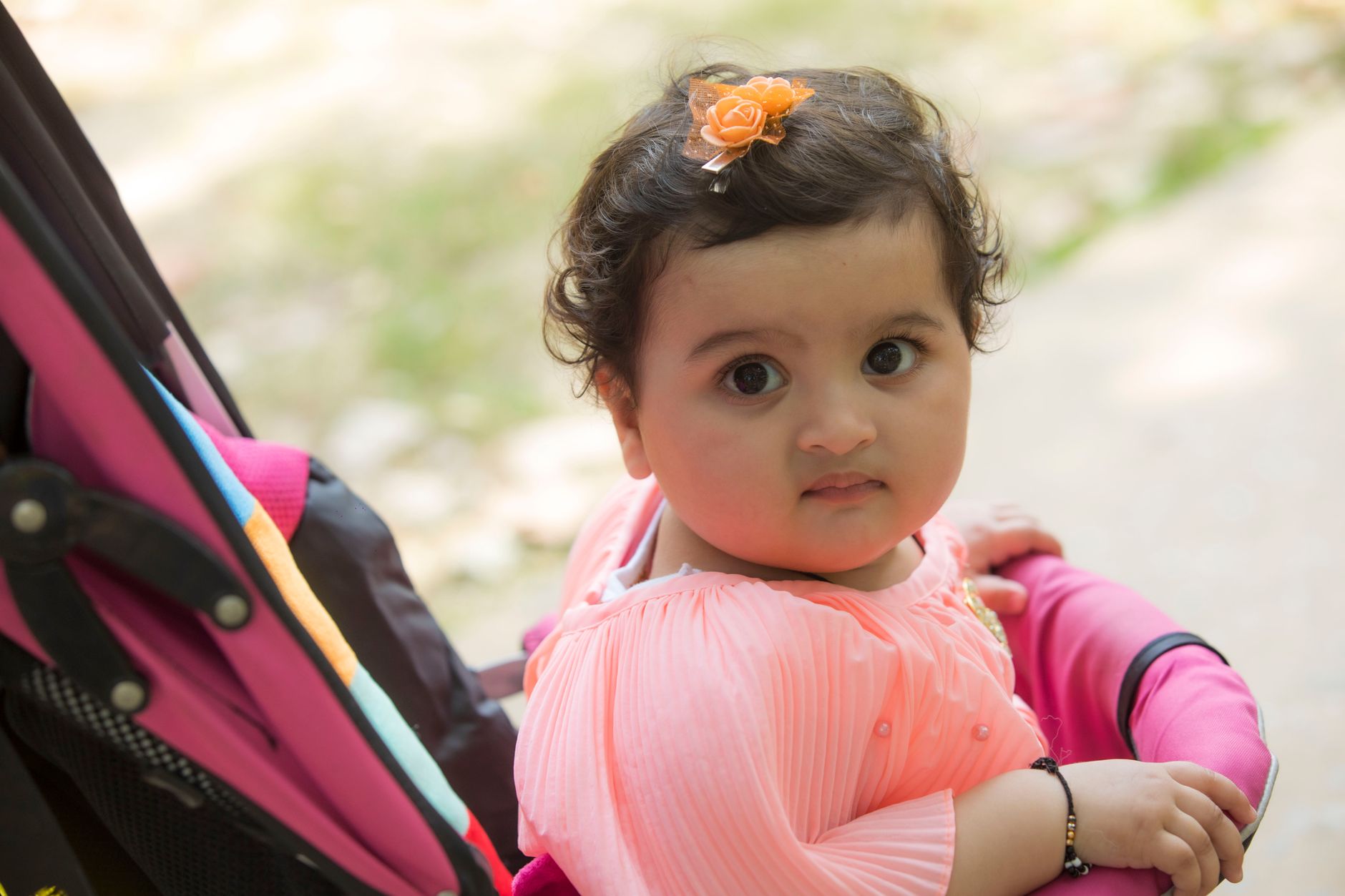

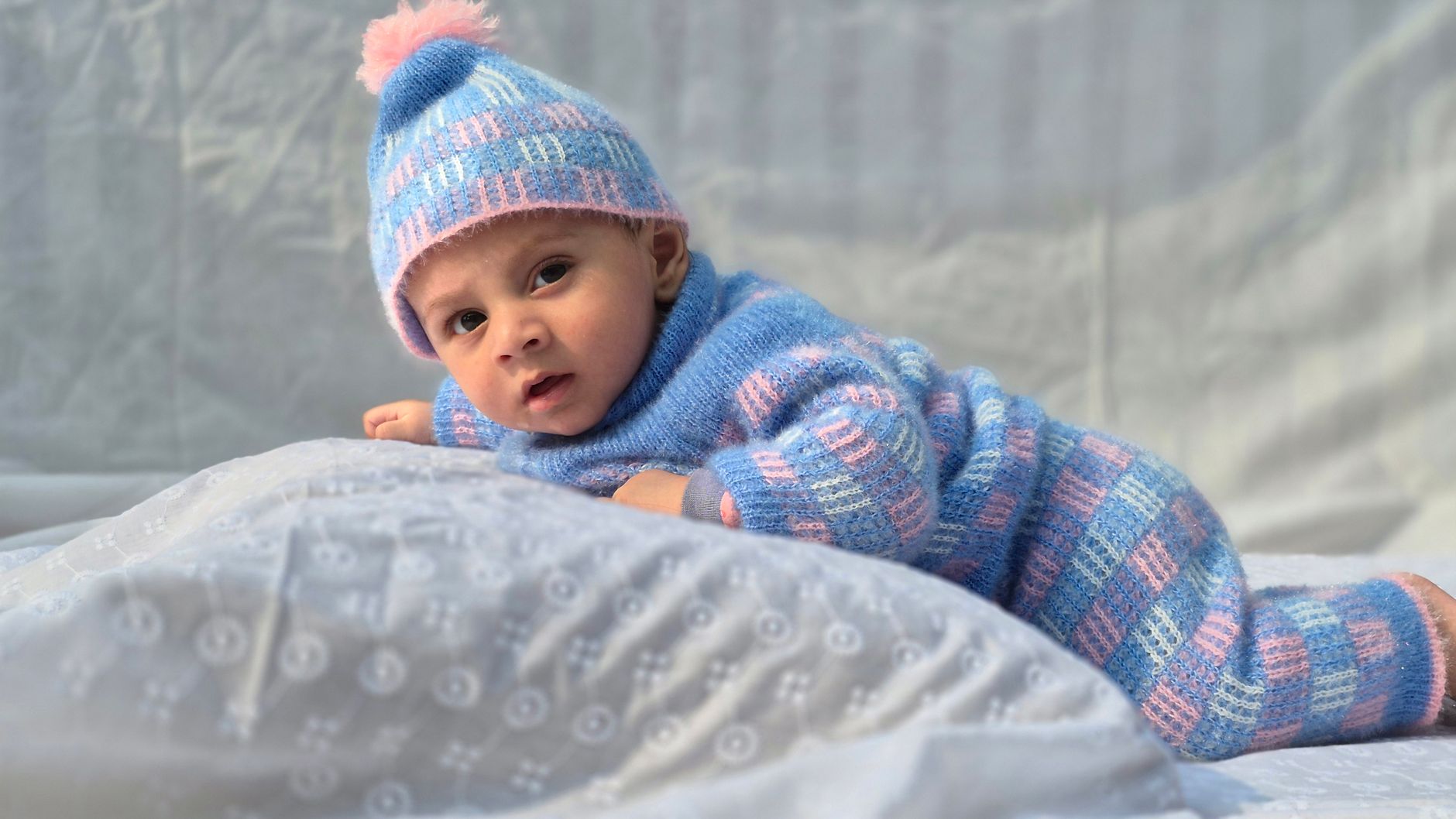
Buy fewer pieces than you think you need, in full-sleeve sleepsuits rather than separate tops and bottoms, and layer with a jacket or swaddle on top rather than one thick garment. Newborns grow fast in the first three months, so a small, well-chosen set beats a full wardrobe.
Not medical advice — consult your pediatrician about any concerns specific to your baby.
How Much You Actually Need
A newborn born between roughly October and February will live in the same handful of pieces for weeks at a time — between frequent outfit changes for spit-up and diaper leaks, and a growth spurt every few weeks, a large wardrobe mostly sits unworn in a drawer. Six to eight sleepsuits, two or three light jackets or cardigans, and a couple of swaddles or wearable blankets cover a newborn through a full cooler-weather stretch, with laundry running every other day.
Gifting culture in most Indian families means you'll likely receive several outfits anyway — it's worth holding off on your own bulk purchase until after any baby shower or naming ceremony, then filling gaps in the sizes you're actually short on.
Sleepsuits Over Separates
A full-sleeve, footed sleepsuit (sometimes sold as a "romper" or "sleep suit") is the single most useful piece for cooler months — it covers arms, legs, and feet in one layer, with no gap at the waist or ankles the way a separate top and bottom can leave. Zip or snap closures down the front or leg make night diaper changes faster than pulling a top over the head.
Onesies (bodysuits) still matter as the base layer under a sleepsuit or on warmer days, but for a baby spending cooler weeks mostly swaddled or in a cot, footed sleepsuits should make up most of the wardrobe.
Stick to soft, breathable fabrics like cotton for the pieces closest to baby's skin. AAP's HealthyChildren.org advises dressing a baby in loose-fitting cotton clothes and avoiding extra layers or tightly wrapped blankets, which helps prevent heat rash even when you're bundling up for a cool evening.
Layering the Right Way
NHS guidance states that a good rule of thumb is to dress your baby in one extra layer more than you'd wear yourself in the same room. If you're comfortable in a T-shirt and light cardigan indoors, your baby is generally fine in a onesie, a sleepsuit, and a light jacket or swaddle over that — not a thick padded snowsuit meant for far colder climates.
This matters because overheating from too much bedding or clothing, or a room that's too warm, is a recognized risk factor for SIDS, according to NHS guidance on reducing SIDS risk. It's the reason to layer up gradually and remove a layer readily, rather than defaulting to the warmest outfit in the drawer for every cool evening.
AAP's HealthyChildren.org advises that once you're home from the hospital, your baby doesn't need a hat indoors — covering the head is one of the easiest ways to overheat a baby who otherwise looks lightly dressed. Save the hat for outdoor trips in genuinely cold weather, and take it off as soon as you're back inside.
The Lullaby Trust's cold-weather guidance states that even in cold weather, babies are safer dressed a little cooler than overwrapped, since overheating raises SIDS risk — so when in doubt on a chilly North Indian morning, lean toward one layer less rather than one more.
Checking if baby is actually cold: don't go by their hands or feet — the Lullaby Trust advises feeling your baby's chest or the back of their neck instead, since hands and feet are normally cooler than the rest of the body. A warm chest and neck usually mean baby is dressed about right, even if their fingers feel cool to you.
A thermometer beats guesswork. If you're unsure whether a room is warm enough, the Lullaby Trust advises that the recommended room temperature for a baby is 16-20°C — a cheap room thermometer lets you check this objectively instead of relying on how the room feels to you, which is especially useful in AC-equipped urban homes during the cooler months.
Skip the Extras in the Cot
It's tempting to buy a padded bumper set, a pillow, or a cosy loose blanket along with the clothing basics, but none of them belong in the cot. The Lullaby Trust advises keeping a baby's cot clear of pillows, duvets, cot bumpers, soft toys or comforters, and any other loose or bulky bedding, since these can raise the risk of SIDS. For cooler months, a well-fitted sleepsuit or a proper baby swaddle/sleep sack does the warming job a loose blanket is often bought for — put the rest of that budget toward sleepsuits instead.
Regional Climate Makes a Real Difference
"Cooler months" means very different things across India, and your shopping list should follow your city rather than a generic list. In Delhi, Punjab, and much of North India, a genuinely cold winter calls for a light jacket or cardigan as a standard layer through December and January, plus a swaddle or wearable blanket for sleep. In Bangalore, Chennai, Mumbai, and most of the peninsula, "cooler months" mostly means milder evenings — a long-sleeve sleepsuit alone is often enough, and a heavy jacket will be too much for most of the day. Buy your first small batch after your baby arrives and you know your local weather that week, then top up rather than guessing months ahead.
Brand and Sizing Notes
Sizing runs inconsistent across Indian baby-clothing brands, and it's worth knowing before you order online sight unseen. BabyHug's newborn (NB) size is a common example — many parents find it generous, so a baby measuring newborn on the size chart can be swimming in it, while the next size up fits better within a few weeks. FirstCry's own labels and Mothercare's imported sizing can vary from each other too, even within the same claimed range. Where possible, buy your very first batch from a store where you can check the fit in person, and treat online size charts as a rough guide rather than a guarantee — especially for gifts or bulk sets bought before your baby is born.
Products Worth Buying
| Product | Price Range | Where to Buy |
|---|---|---|
| Footed sleepsuit (pack of 3-5) | Rs. 600 – Rs. 1,500 | Amazon.in / FirstCry |
| Cotton onesie / bodysuit (pack of 5) | Rs. 400 – Rs. 900 | FirstCry |
| Light jacket or cardigan | Rs. 350 – Rs. 900 | Amazon.in |
| Swaddle or wearable blanket | Rs. 500 – Rs. 1,400 | FirstCry |
| Soft cotton cap (for outdoor use only) | Rs. 100 – Rs. 300 | Amazon.in |
If Your Baby Was Born Early or Small
A baby born preterm or at a low birth weight needs extra care around temperature, not less. WHO states that because preterm babies lack body fat, many struggle to regulate their own temperature at birth, and often need medical support with breathing too. Follow your neonatologist or pediatrician's specific guidance on layering and room temperature for this baby, rather than the general layering rule above — their needs can be different enough that a standard approach isn't the safe default.
Frequently Asked Questions
How many sleepsuits does a newborn actually need? Six to eight is generally enough for a baby in their first cooler-weather stretch, given how often you'll be doing laundry and how fast newborns grow through sizes. Add more only once you know which size you're running short on.
Does my baby need a cap or hat indoors during winter? No — per AAP's HealthyChildren.org, a hat isn't needed indoors once you're home from the hospital, and it's an easy way to overheat a baby. Keep the cap for outdoor trips in cold weather and remove it as soon as you're back inside.
Is BabyHug's newborn size accurate? Not always — many parents find the BabyHug NB size runs generously, so it's worth trying one piece before ordering a full set, or sizing up for a baby likely to be a bigger build.
How do I know if my baby is too warm rather than too cold? Feel their chest or the back of their neck rather than their hands or feet — the Lullaby Trust's guidance notes hands and feet are normally cooler and aren't a reliable check. A sweaty chest or damp hair at the neckline means it's time to remove a layer.
Do I need different clothes for North and South India in the cooler months? Yes, broadly. North Indian winters call for a light jacket and a swaddle for sleep through the coldest weeks; in most of South India and coastal cities, "cooler months" is milder and a long-sleeve sleepsuit alone is often enough for most of the day.
Should I buy a full wardrobe before my baby is born? Better to hold off. Buy a small starter set, expect gifts to fill in more, and top up once you know your baby's actual size and your city's weather that season — newborns move through sizes quickly enough that a full wardrobe bought in advance often goes unworn.