Your parents or in-laws telling you a car seat is unnecessary, or that a bottle will "confuse" your breastfeeding baby, are repeating habits and assumptions, not safety research. A properly used car seat is essential on every ride to prevent injury or death in a crash — holding baby in your lap gives none of that protection. And nipple confusion isn't even an official diagnosis doctors use. Here's the evidence behind both, and how to hold your ground without turning it into a family fight.
Not medical advice — consult your pediatrician for guidance specific to your baby.
Why Family — and Sometimes Doctors — Push Back
Three beliefs drive most of the resistance you'll hear from grandparents, aunts, and sometimes an older-generation family doctor:
"Carrying is love." In a culture where babies are almost always in someone's arms, a car seat or bottle can feel cold or distant by comparison. It isn't. Skin-to-skin and close physical contact promotes bonding and releases feel-good hormones in both baby and parent — that benefit is real, but it doesn't make a car seat unloving. You carry your baby all day and still buckle them in for the five-minute drive to the pediatrician.
"You'll spoil the baby." This applies to responding quickly to cries, picking baby up, or feeding on demand with a bottle when needed. It isn't supported either — see below.
"Bottles confuse breastfeeding." The fear that any bottle exposure will make baby reject the breast is widespread, but the actual evidence is far more mixed than the warning suggests.
None of these beliefs are said out of carelessness — they come from real love and genuine worry. But worry isn't the same as evidence, and on both car seats and bottles, the evidence is clear.
What the Evidence Actually Says About Car Seats
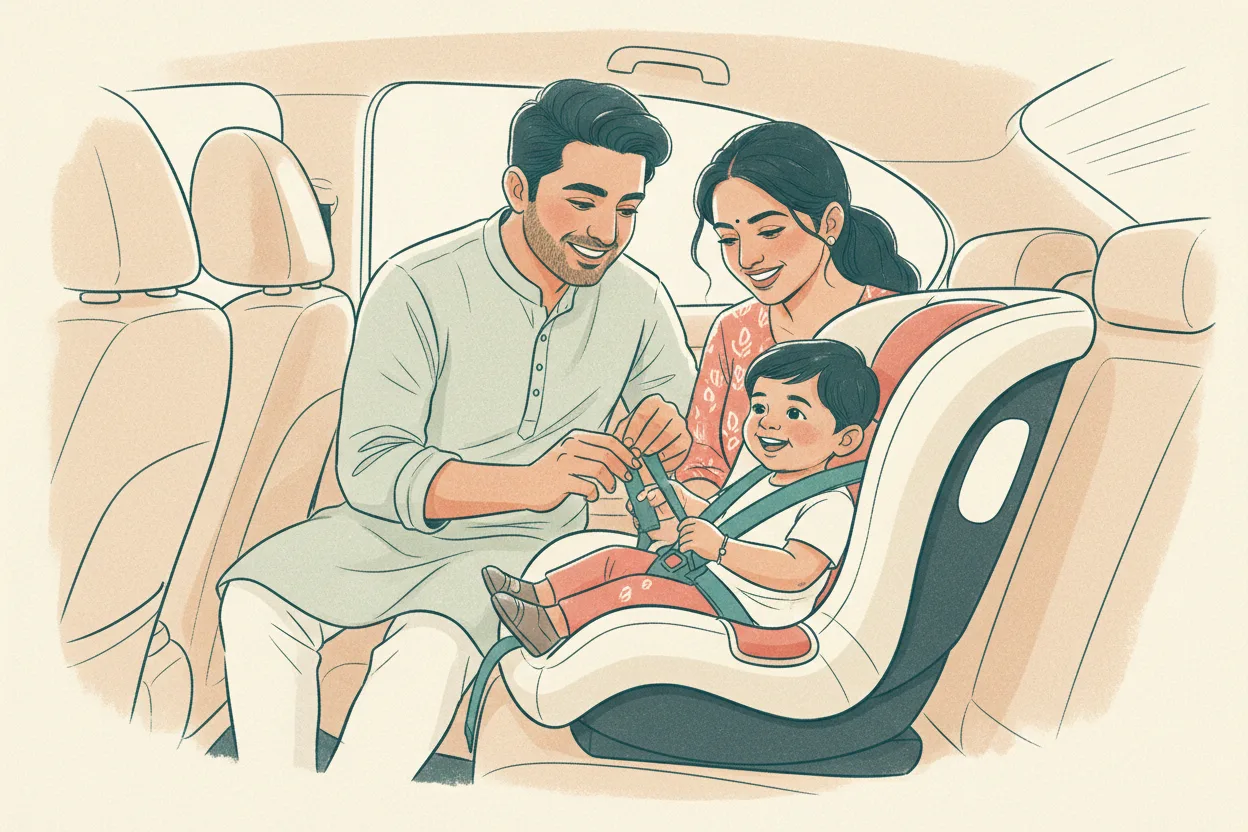
The core objection you'll hear is usually "I held all my children in my lap and they were fine" or "it's only a short drive." The AAP states plainly that car seats are essential on every ride to prevent injury or death in the event of a crash — arms are not a restraint system, and even a low-speed crash can throw a lap-held baby forward with force no adult can hold against. Put a number on it: proper car seat use cuts the risk of injury, hospitalization, or death by more than 70% compared with seat belts alone or no restraint — a concrete figure that lands harder with a skeptical relative than "it's essential" alone.
The second common myth is about when to switch a baby to forward-facing — often driven by a fixed idea that it should happen at exactly one year old. The AAP actually recommends infants and toddlers ride rear-facing for as long as possible, until they reach the maximum height or weight the seat allows — not a switch at a fixed birthday. Most convertible seats sold in India rear-face comfortably well past age two.
| Myth | What the evidence says |
|---|---|
| "Holding baby in the car is safer than a strange seat" | A car seat is essential on every ride — lap-holding offers no crash protection |
| "Switch to forward-facing at 1 year" | Rear-face as long as the seat allows, by height/weight limit, not age |
| "It's just a short trip, no seat needed" | Crash risk doesn't depend on trip length; the seat protects on every ride |
What the Evidence Actually Says About Bottles
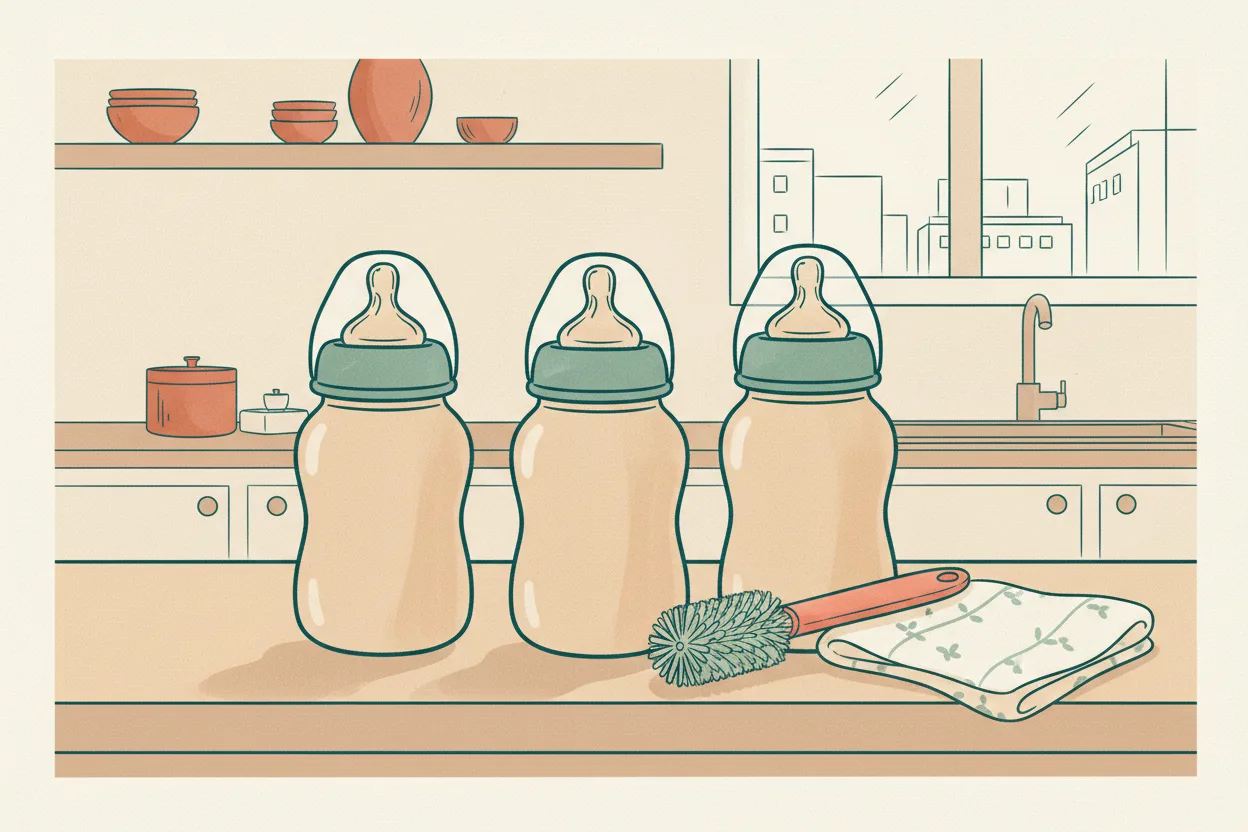
"Nipple confusion" gets used to explain almost any breastfeeding hiccup after a bottle, but Cleveland Clinic notes it isn't an official term healthcare providers use to diagnose breastfeeding problems, and only about half of pediatricians believe frequent bottle use actually causes it. In other words, the family's certainty on this one runs well ahead of the medical evidence.
That doesn't mean bottle timing is a free-for-all, though. Lactation guidance recommends waiting until baby is at least 3–4 weeks old and breastfeeding is well established before introducing a bottle, since regular bottle use in the very early weeks can interfere with building a good milk supply. So the useful middle ground is this: it's not that a bottle will "confuse" your baby forever, it's that timing and consistency in the first month genuinely matter for supply.
If dad or another caregiver wants to do a bottle feed of expressed milk once feeding is established, that's a good way to share the load — not a risk to breastfeeding itself.
You Won't Spoil Your Baby by Responding to Them
A close cousin of the "car seat is distant" and "bottle causes confusion" objections is the belief that picking baby up quickly, or feeding on demand, will make them clingy or dependent. The AAP states you cannot spoil a young baby with attention, and babies who are answered consistently tend to cry less overall, not more. Responding promptly in the early months builds security, not bad habits — whether that response is picking baby up, feeding them, or buckling them into a seat they trust because it's familiar.
Navigating the Pushback Without a Fight
A few things that help in practice:
- Lead with safety, not preference. "The car seat is non-negotiable for crash safety" lands better than "I read this is better."
- Let carrying and gear coexist. Holding your baby and using a car seat or a bottle are both fine — they solve different problems at different moments.
- Loop in your pediatrician. If a family doctor is the one discouraging a car seat or bottle, ask them directly for their reasoning — a good pediatrician will engage with current guidance rather than defer to habit.
- Model it rather than argue it. Once grandparents see baby calm and secure in a car seat trip after trip, or dad doing a peaceful bottle feed, the resistance usually softens faster than any argument would.
Car Seats and Bottles Worth Considering
| Product | Price Range (India) | Where to Buy |
|---|---|---|
| Infant/convertible rear-facing car seat | Rs. 8,000 – Rs. 25,000 | Amazon.in / FirstCry |
| Anti-colic feeding bottles (set) | Rs. 500 – Rs. 1,500 | Amazon.in / FirstCry |
| Bottle sterilizer | Rs. 1,500 – Rs. 4,500 | Amazon.in |
Pick a car seat with a five-point harness rated for your baby's current weight, and check that it fits your specific car model before buying — many stores in Indian metros will let you test-fit before purchase.
Frequently Asked Questions
My in-laws say a car seat wasn't needed for my husband/wife when they were babies. How do I respond? Point to the safety fact directly: holding a baby in arms provides no crash protection, while a properly used car seat is essential on every ride, and proper use cuts the risk of injury, hospitalization, or death by more than 70% compared with no restraint. Cars, roads, and traffic have also changed a lot since the previous generation was raising infants.
When should I switch my baby's car seat from rear-facing to forward-facing? Not at a fixed age. The AAP recommends staying rear-facing until baby reaches the maximum height or weight the seat allows, which for most convertible seats is well past age two.
Will giving my breastfed baby a bottle really cause nipple confusion? It's not a formally recognized condition, and only about half of pediatricians believe frequent bottle use even causes it. What does matter is timing: wait until breastfeeding is well established, around 3–4 weeks, before introducing a bottle, so early bottle use doesn't interfere with your milk supply.
Can dad do bottle feeds without hurting my milk supply? Yes, once breastfeeding is established (generally after the first 3–4 weeks). Early, unplanned bottle use is the specific concern for supply — a bottle of expressed milk from dad after that point is a good way to share feeds.
Will responding to every cry make my baby clingy? No. The AAP is clear that you cannot spoil a young baby with attention, and babies answered consistently actually cry less overall. Prompt responses build security, not dependence.
Does using a car seat or bottle mean I'm not bonding enough with my baby? No. Skin-to-skin contact and carrying do promote bonding and release feel-good hormones, but that's a benefit carrying provides — it doesn't make gear like car seats or bottles unloving. You can do both.