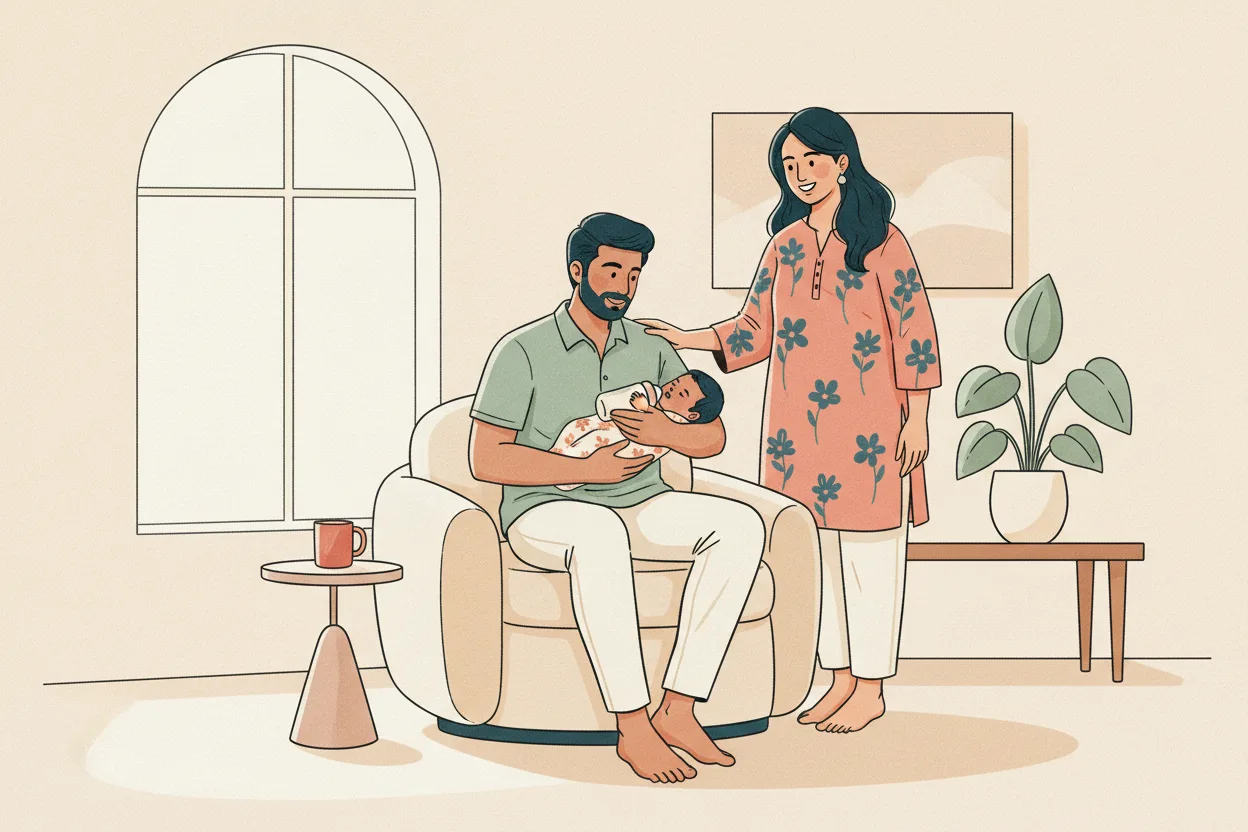

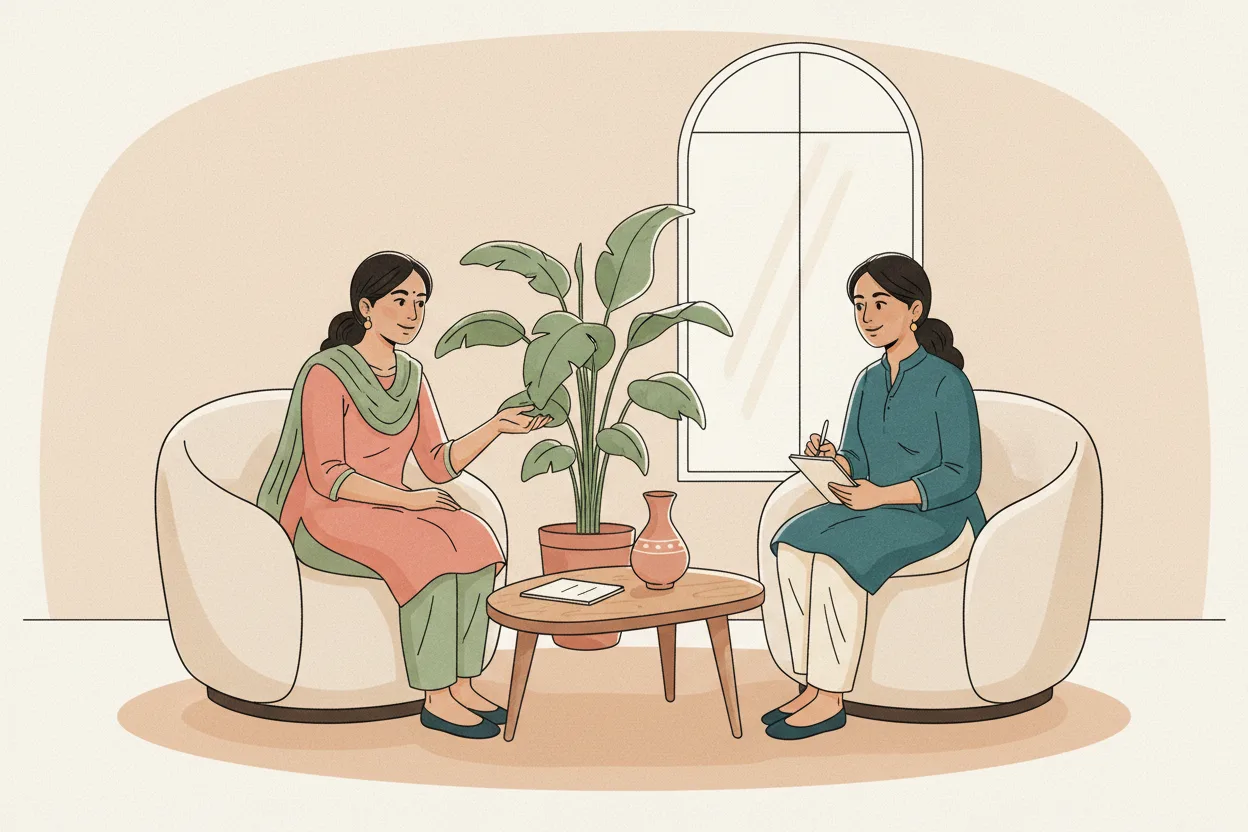
"Reproductive mental health" is a specific field — therapists trained in fertility struggles, pregnancy loss, tokophobia (fear of childbirth), and the body-image shifts of pregnancy and postpartum. A general counsellor can help, but a specialist in this space will recognize what you're describing faster and skip the need to explain it from scratch.
Not medical advice — consult your doctor or a qualified mental health professional for personal guidance.
Why This Is a Distinct Field, Not Just "Therapy"
Fertility treatment, pregnancy loss, and the transition to parenthood carry a specific kind of psychological weight that general anxiety or relationship counselling doesn't cover. Women going through infertility have significantly higher odds of depression than fertile women — a systematic review and meta-analysis on infertility and psychological impact found the odds being 1.40 times higher compared with those who are fertile. It's a well-documented pattern, not a personal failing to "manage better."
The ESHRE guideline on routine psychosocial care in infertility states that by offering psychosocial care in combination with medical care during routine practice, fertility clinic staff can ensure that care is accessible for all patients and addresses their most common needs. Good fertility care already assumes you may need emotional support, not just medical intervention — if your Indian clinic doesn't offer it, you'll need to find it yourself.
The same logic extends across pregnancy and the year after birth. WHO states that almost 1 in 5 women will experience a mental health condition during pregnancy or in the year after the birth — which is why it recommends integrating mental health support into routine maternal care rather than treating it as a separate, optional add-on.
What Reproductive Mental Health Actually Covers
This field is broader than "prenatal depression." Here's what it typically covers, and how a specialist can help.
Fertility and IVF-Related Anxiety
The cycle of hope and disappointment through IUI or IVF rounds, the financial pressure, and the isolation of not talking about it openly with family — these are recurring themes a fertility-focused therapist already understands, and can help you build coping strategies for.
Tokophobia — Fear of Childbirth
Tokophobia (extreme fear of pregnancy or childbirth) is a recognized condition — a peer-reviewed review of tokophobia in PMC states that treatment options noted in the literature included counseling that utilizes cognitive behavioral therapy, psychosomatic treatments, and crisis-oriented counseling techniques. If labour and delivery cause intense dread rather than ordinary nervousness, this has a name and a treatment path.
A systematic review and meta-analysis of childbirth-fear interventions found that most intervention approaches investigated reduce fear of childbirth when delivered during pregnancy — so raising it earlier, rather than waiting until close to delivery, gives treatment more time to work.
Pregnancy Loss and Recurrent Miscarriage
RCOG states that women going through recurrent pregnancy loss stressed the need for specialised counselling and accessible support groups. In India, this grief is often minimised by well-meaning family ("you can try again") — a therapist trained specifically in reproductive loss won't rush you past it.
Body Image Through Pregnancy and Postpartum
Body image work is not vanity — it's clinically linked to mood. A study on body image and postpartum depression found that body dissatisfaction was positively correlated with the symptomatology of postpartum depression. A specialist will treat body-image distress during and after pregnancy as a legitimate, treatable issue — not something to brush off with "every mother goes through this."
Postpartum Depression and Anxiety
A systematic review and meta-analysis of Indian postpartum depression studies found the overall pooled estimate of the prevalence of postpartum depression in Indian mothers was 22% — roughly one in five. If you're screened with the Edinburgh Postnatal Depression Scale (EPDS) at a hospital, that's a well-established tool: a meta-analysis on EPDS diagnostic accuracy in India found it is the most commonly used screening measure for postnatal depression in India. A high score is a reason to seek a specialist, not a verdict on your parenting.
Types of Professionals You'll Encounter in India
Titles vary and aren't always used consistently, so it helps to know what to ask for.
| Professional | What they do | When to choose them |
|---|---|---|
| Clinical psychologist | Talk therapy (CBT, psychodynamic, etc.); cannot prescribe medication | First step for anxiety, tokophobia, grief, body image, adjustment issues |
| Psychiatrist | Can diagnose and prescribe medication; some also offer therapy | If symptoms are severe, or a psychologist recommends a medication evaluation |
| Perinatal/reproductive psychologist | Clinical psychologist with specific training in fertility, pregnancy, and postpartum mental health | Best fit for IVF-related distress, tokophobia, pregnancy loss, PPD/PPA |
| Counsellor | Supportive talk-based sessions; training and depth vary widely | General support, alongside — not instead of — a psychologist for clinical symptoms |
How to Actually Find the Right One
Search by specialty, not just city. Instead of "therapist near me," search "perinatal psychologist India," "fertility counsellor India," or "reproductive mental health therapist India." Many practice over video call, so a therapist in Bengaluru can easily see a client in Lucknow.
Ask about their reproductive-health experience in the first call. A good therapist won't be offended by "how many clients have you worked with on fertility/pregnancy loss/tokophobia?" Hesitation or unfamiliarity with the terms is useful information.
Check credentials. Look for a Master's or PhD in Clinical Psychology (M.Phil in Clinical Psychology is the recognized qualification for licensed clinical psychologists) or an MD in Psychiatry, and whether they're RCI-registered (Rehabilitation Council of India) — Clinical Psychologist is an officially recognized professional category under the RCI Act, and only those registered on the Central Rehabilitation Register are legally entitled to practice as one anywhere in India, so it's fair to ask directly whether they hold that registration.
Weigh in-person versus remote. Video sessions fit easily around fertility clinic visits or a newborn's schedule; in-person may feel more grounding around grief. Many good reproductive-health specialists in India now practice primarily online, so widen your search beyond your immediate city.
Loop in your partner where useful. Fertility treatment, pregnancy loss, and postpartum adjustment affect both parents, even when the physical experience is one person's. Some therapists offer couples sessions alongside individual ones, and a 2025 systematic review of counselling approaches for infertile couples found that couple therapy may offer broader relational benefits than individual or group approaches by addressing the couple's shared dynamics — worth raising even if only one of you initially wants to go.
Give it three sessions before deciding. Fit matters more than credentials alone. If you still feel unheard or misunderstood after a few sessions, it's reasonable to look elsewhere.
Frequently Asked Questions
Is it normal to feel depressed during IVF, not just after a failed cycle? Yes. Research shows women going through infertility have meaningfully higher odds of depression than fertile women, and this can show up throughout treatment, not only after a setback.
What's the difference between normal childbirth nervousness and tokophobia? Ordinary labour anxiety is common and usually manageable with information and reassurance. Tokophobia is a recognized clinical condition — the fear is intense enough to affect daily functioning or decisions about pregnancy itself. A perinatal psychologist can help tell the two apart and treat it if needed.
Can therapy actually help with fear of childbirth, or is it just something to endure? A systematic review and meta-analysis found that most intervention approaches studied reduce fear of childbirth when delivered during pregnancy — it's treatable, not something you simply have to push through.
My hospital gave me an EPDS questionnaire after delivery. What does a high score mean? The EPDS is the most commonly used postnatal depression screening tool in India. It's a screening tool, not a diagnosis — but a high score is worth a conversation with a specialist, and postpartum depression affects roughly one in five Indian mothers, so you'd be far from alone.
Is it normal that I feel worse about my body after pregnancy than during it? It's common, and worth addressing rather than dismissing. Body dissatisfaction during pregnancy is linked to postpartum depression symptoms, so a therapist treating your postpartum mood will often ask about body image too.
We've had a recurrent miscarriage. Is one-on-one therapy the only option? No — RCOG specifically recommends specialised counselling alongside accessible support groups for recurrent pregnancy loss. Ask a reproductive-health therapist if they run or know of a support group in India.
Should I look for a specialist in reproductive mental health, or is any good psychologist enough? Any licensed clinical psychologist can help, but a specialist will already understand the vocabulary (embryo transfer, beta hCG, tokophobia, EPDS) and the specific grief and anxiety patterns of this experience — meaning less time spent explaining the basics and more time working through it.