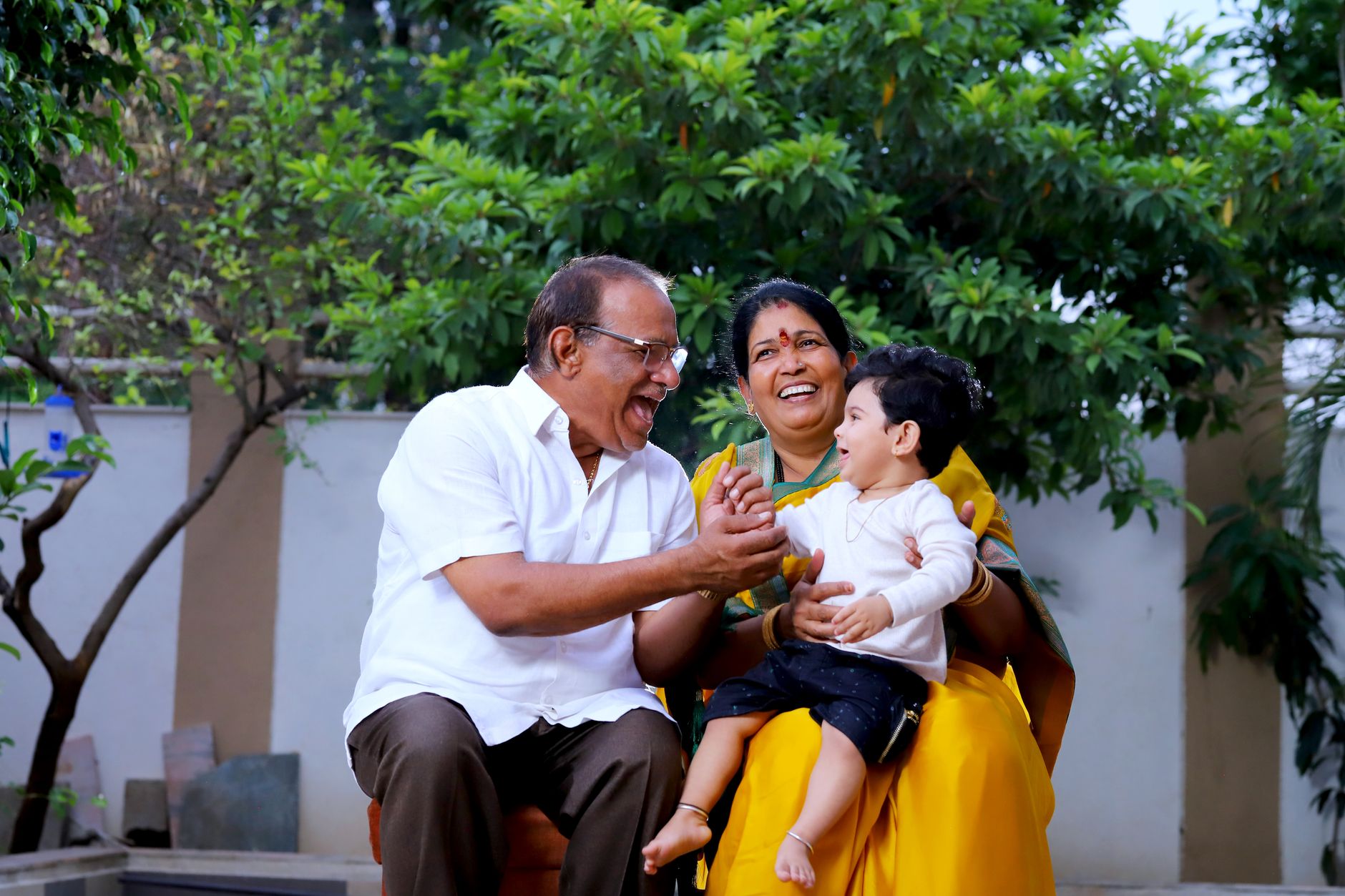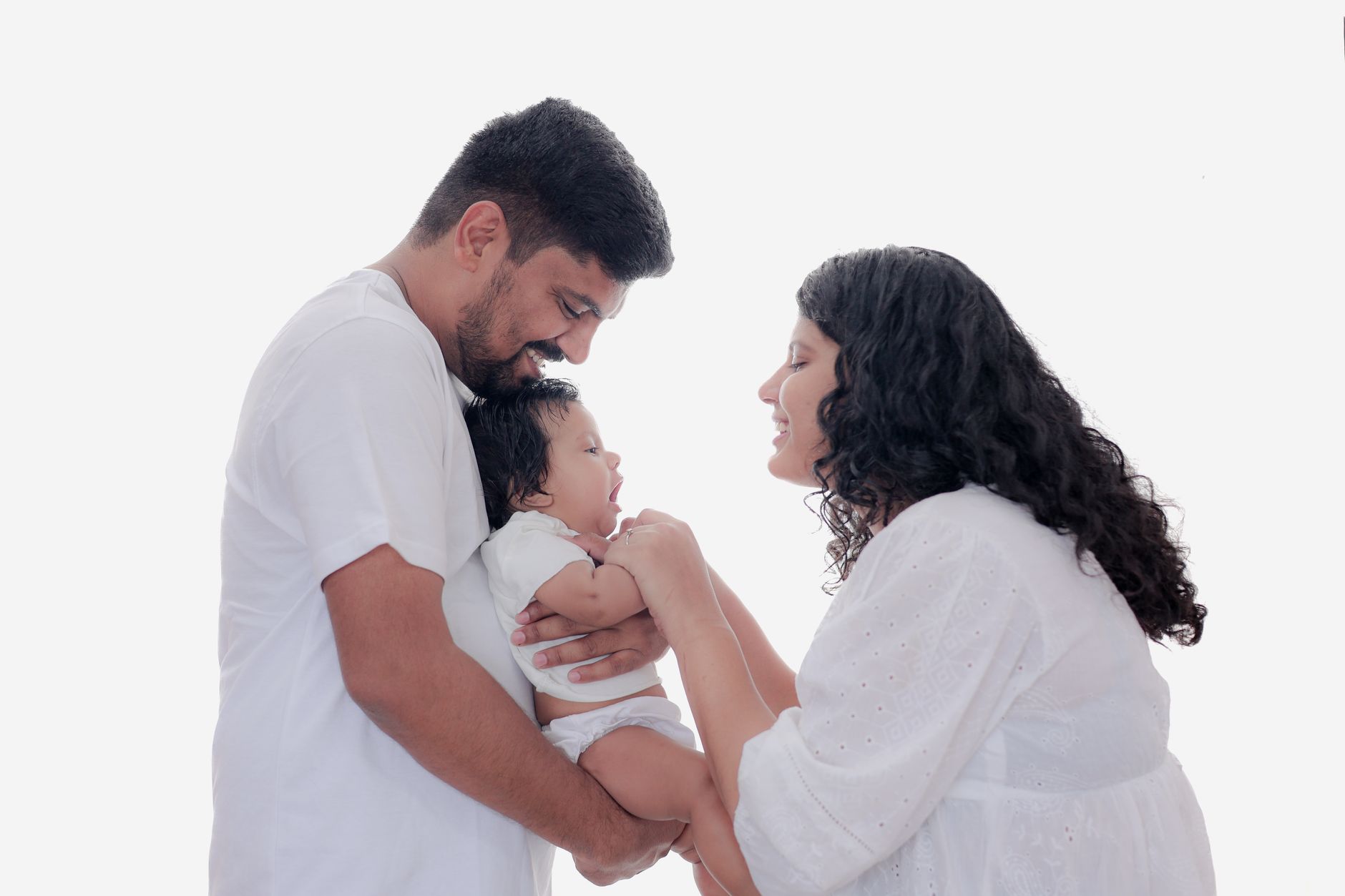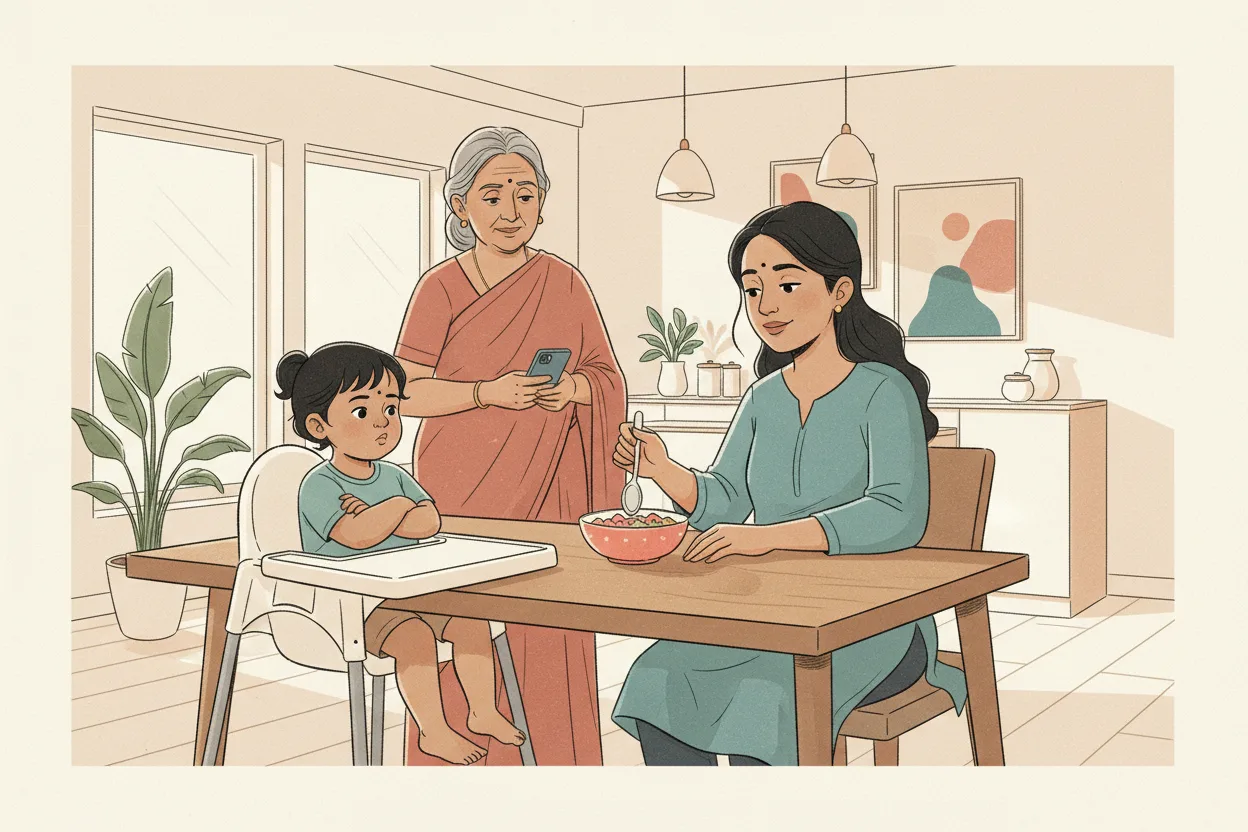

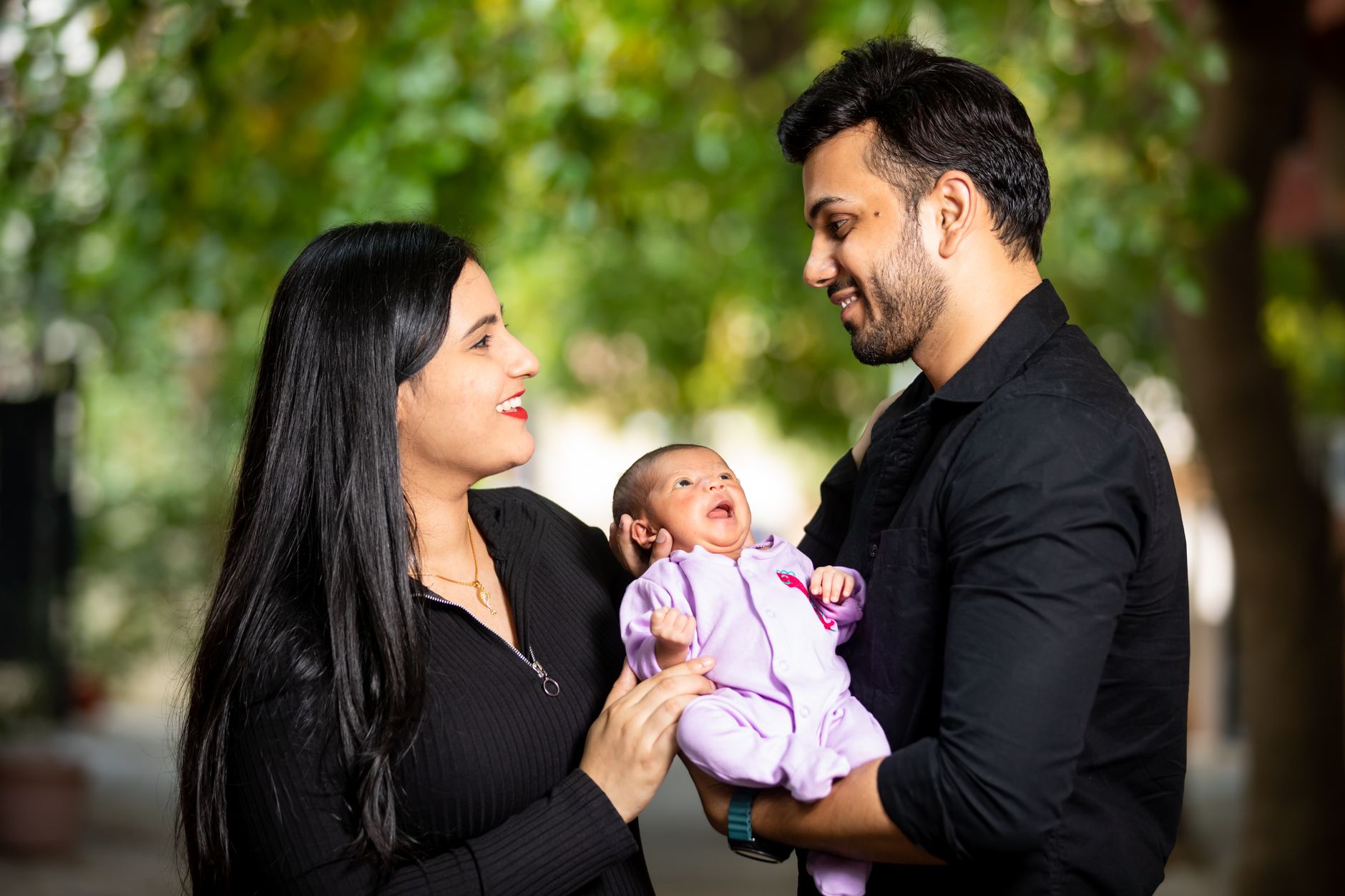
There's no single "correct" day, but a pattern that works for most Indian families: keep the first week or two quiet and immediate-family-only so dad's paternity leave goes to hands-on newborn care, then let both sets of parents come and stay properly around the naming ceremony, once the household has found its rhythm.
Not medical advice — consult your pediatrician for concerns specific to your baby.
Why the First Two Weeks Are Different
A newborn isn't just a smaller version of an older baby — her body is still catching up. Cleveland Clinic explains that an infant's immune system doesn't mature until they're about two to three months old, which is exactly why a steady stream of visitors in week one carries a real, if usually manageable, infection risk that it won't carry a few months later.
The mother's body is also still recovering, not just adjusting. An NCBI StatPearls clinical review notes that the postpartum period, often called the fourth trimester, begins immediately after childbirth and generally lasts six to eight weeks — which matters when you're deciding how much hosting and entertaining she should realistically be doing in week one versus how much she should be resting and healing.
None of this means "no visitors, ever." A review of postpartum depression risk factors found that a lack of social support is among the most potent factors influencing PPD, so an empty house isn't automatically the safer choice either — the goal isn't fewer people, it's the right people, at a pace the household can actually absorb.
Protect Dad's Ten Days for Hands-On Care, Not Hosting
Ten days of paternity leave disappears fast if it's spent receiving guests, making tea, and playing host instead of learning the baby's cues. That trade-off has real stakes, not just a comfort preference.
A study using the French ELFE birth cohort found that fathers who took paternity leave had reduced odds of postpartum depression compared with fathers who didn't take it — a strong argument for spending those ten days on the baby, not on entertaining. And the benefit isn't just to him: a study of father involvement in infant parenting found that early paternal involvement in infant care is beneficial to child and maternal health, and possibly for paternal mental health. Night feeds with expressed milk, nappy changes, soothing between feeds — this is the window where those habits get built, and a full house makes it harder to build them.
A calmer home in these early days also protects feeding. WHO research found that newborns who have prolonged skin-to-skin contact with their mother are more likely to breastfeed successfully, and long, uninterrupted skin-to-skin stretches are much easier to protect without visitors passing the baby around the living room.
Whose Parents Come First — and How to Say So
This is often the actual sticking point, not the calendar. Eager in-laws often want to come immediately; the mother often wants her own parents close by for the kind of unguarded, practical support — meals, help with the baby, someone to sit with her while she cries for no reason — that's harder to ask for from in-laws so soon after coming home.
There's no rule that says whoever asks first, or whoever is more insistent, gets that early window. A workable split many families use: the mother's parents come first (or stay throughout), for exactly the kind of close, no-performance support the fourth trimester calls for, while the father uses his leave for direct baby care rather than hosting anyone. In-laws are told plainly, and early, that they're wanted — just a little later, once mother and baby are steadier, so the visit can be about spending real time with the baby rather than a quick, crowded hello at the door.
If in-laws do come in the first couple of weeks — for a short visit, not a stay — set the same basic ground rules for everyone equally. The AAP's HealthyChildren.org advises that relatives should be up to date with their immunizations and practice good hygiene, like hand washing, before they hold a newborn. Framed as "this is what the pediatrician told us to ask everyone," it applies evenly and doesn't single anyone out.
Using the Naming Ceremony as the Natural Reset Point
The naming ceremony — held sometime in the second or third week after birth in many family traditions — turns out to be a genuinely useful compromise date, and not just symbolically.
By then, the baby is past the most fragile early-immunity window, the mother is further into recovery, and the household has settled into some kind of routine. It's also a milestone the whole family is culturally invested in attending together, which makes it much easier to say "come for the naming ceremony and stay on properly afterward" than to explain why an earlier visit needs to be shorter or lighter. It gives in-laws a real, meaningful date to look forward to — rather than an open-ended "not yet" — and it gives the parents two to three weeks of a lighter house first.
A Sample Timeline
This isn't a rule, just a shape that many Indian families land on once they think it through in advance rather than negotiating it in the moment:
| Window | Who | Focus |
|---|---|---|
| Days 1–10 | Immediate household + mother's parents (if not already living there) | Dad on paternity leave doing hands-on care; recovery and feeding routine |
| Days 10–14 | Short, planned visits only | Anyone eager to meet the baby, kept brief and low-traffic |
| Naming ceremony onward (day ~11–27+) | Extended family, including in-laws | Longer, proper stay once routines are steadier |
Frequently Asked Questions
Is it rude to ask in-laws to wait a couple of weeks before visiting? Framed around the baby's needs rather than anyone's feelings, it usually isn't. Cleveland Clinic notes a newborn's immune system is still developing in the first two to three months, which gives you a neutral, baby-centred reason for a shorter or later visit that has nothing to do with not wanting them there.
Should my own parents get priority over my in-laws in the first two weeks? There's no fixed rule, but it's common and reasonable to let the mother's parents come first for hands-on postpartum support, since she is still in the physically demanding fourth trimester in these early weeks. Being upfront with in-laws about the plan, and giving them a firm later date, keeps it from feeling one-sided.
How should dad actually use his ten days of paternity leave? On direct baby care, not hosting. Fathers who took paternity leave had lower odds of postpartum depression than those who didn't, and early hands-on father involvement benefits both the baby and the mother — both good reasons to spend the leave on night feeds and nappy changes rather than making tea for guests.
Does it actually hurt the baby to have a lot of visitors in the first week? It raises the odds of exposure to illness during a window when a newborn's immune system hasn't fully matured yet, and it can also crowd out the quiet stretches that support early breastfeeding, since skin-to-skin contact helps newborns breastfeed successfully. A few short, hygienic visits are very different from a constantly full house.
Is it better to have no visitors at all in the early weeks? No — going too far the other way has its own cost. A lack of social support is one of the strongest risk factors for postpartum depression, so the aim is a manageable amount of the right kind of help, not an empty house.
Why does the naming ceremony work well as the "main visit" date? It naturally falls after the earliest, most fragile weeks, it's a milestone everyone in the family already wants to be present for, and it gives in-laws a concrete date to plan around instead of an open-ended delay.
Not medical advice — consult your pediatrician for concerns specific to your baby.