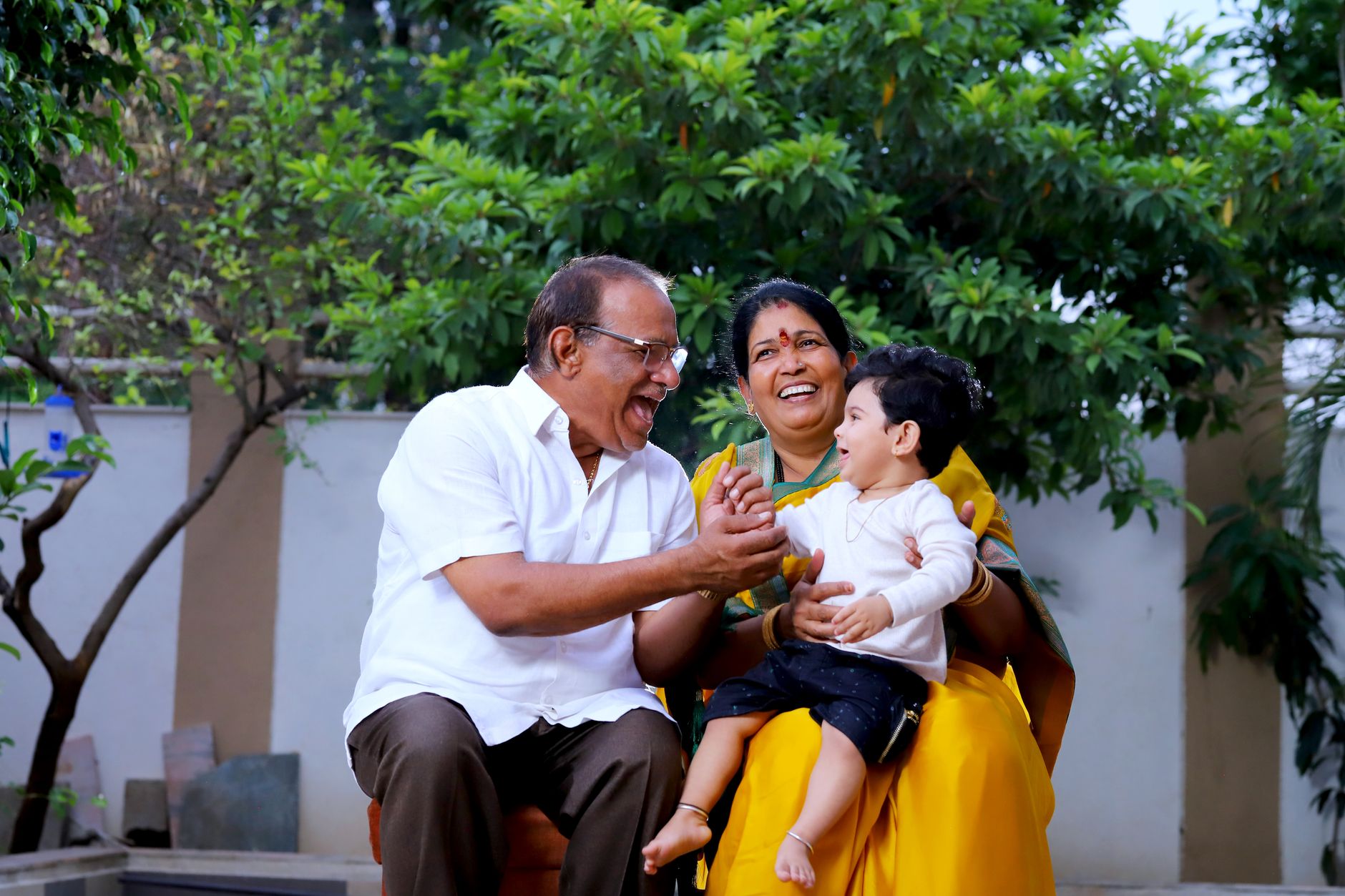

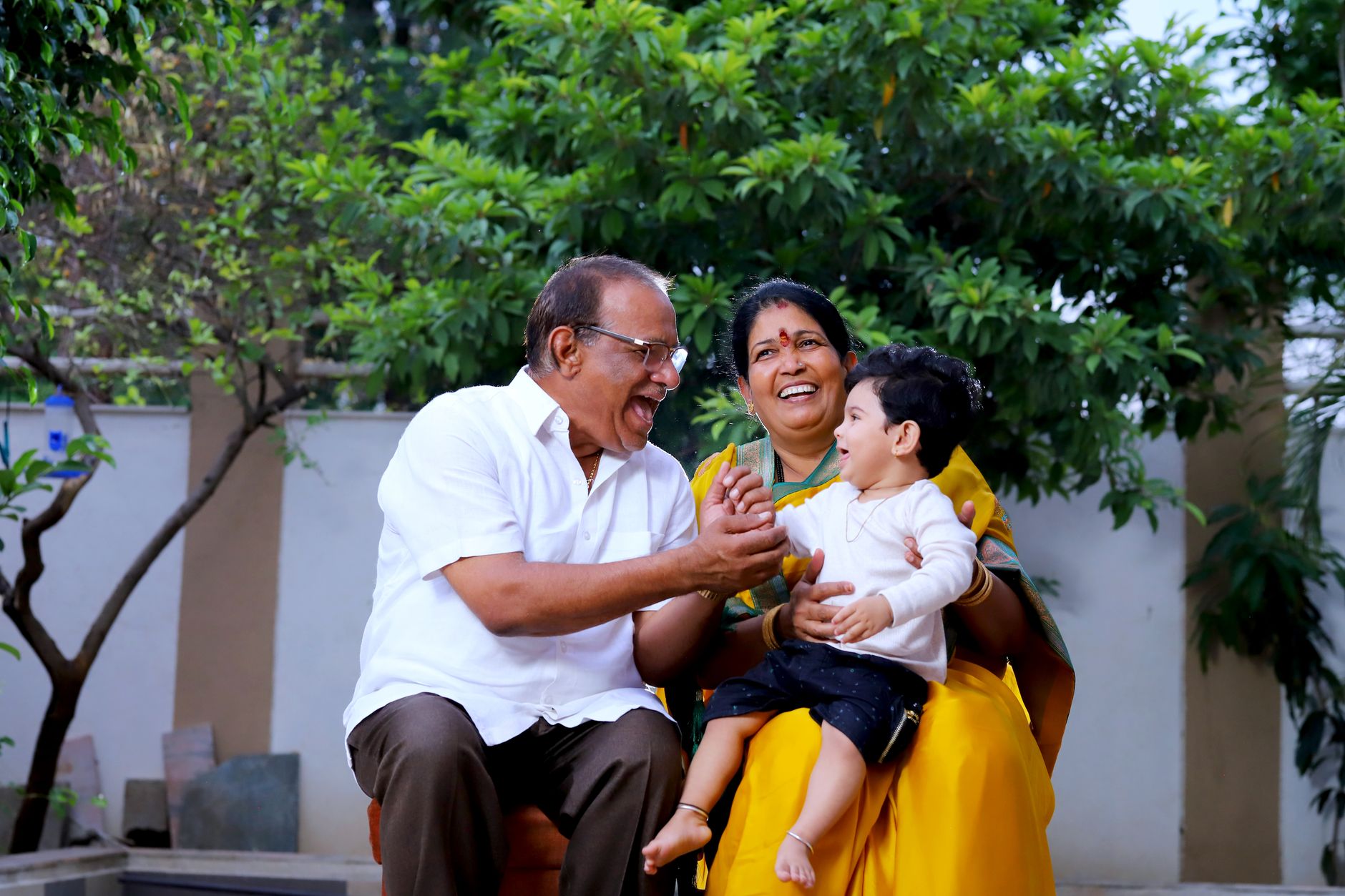
Your toddler tumbles off the sofa step, and before they've even registered it, Dadi has scooped them up, checking for injury, telling them to sit still. NICHD (NIH) notes that falls are the most common cause of nonfatal injury in children — so those bumps are a normal, expected part of an active toddlerhood, not a sign that you or your in-laws did something wrong.
Not medical advice — consult your pediatrician for any injury that worries you.
Why Grandparents React This Way
Grandparents grew up in a generation with fewer safety nets — no reliable pediatric care nearby, a longer trip to the nearest hospital, memories of a sibling or neighbor's child getting seriously hurt. A grandchild is precious in a very specific way: they aren't responsible for daily discipline, so a fall on their watch can feel like it reflects on them alone. That anxiety is real and comes from love, even when it lands as "stop climbing," "sit down," or "why did you let him run."
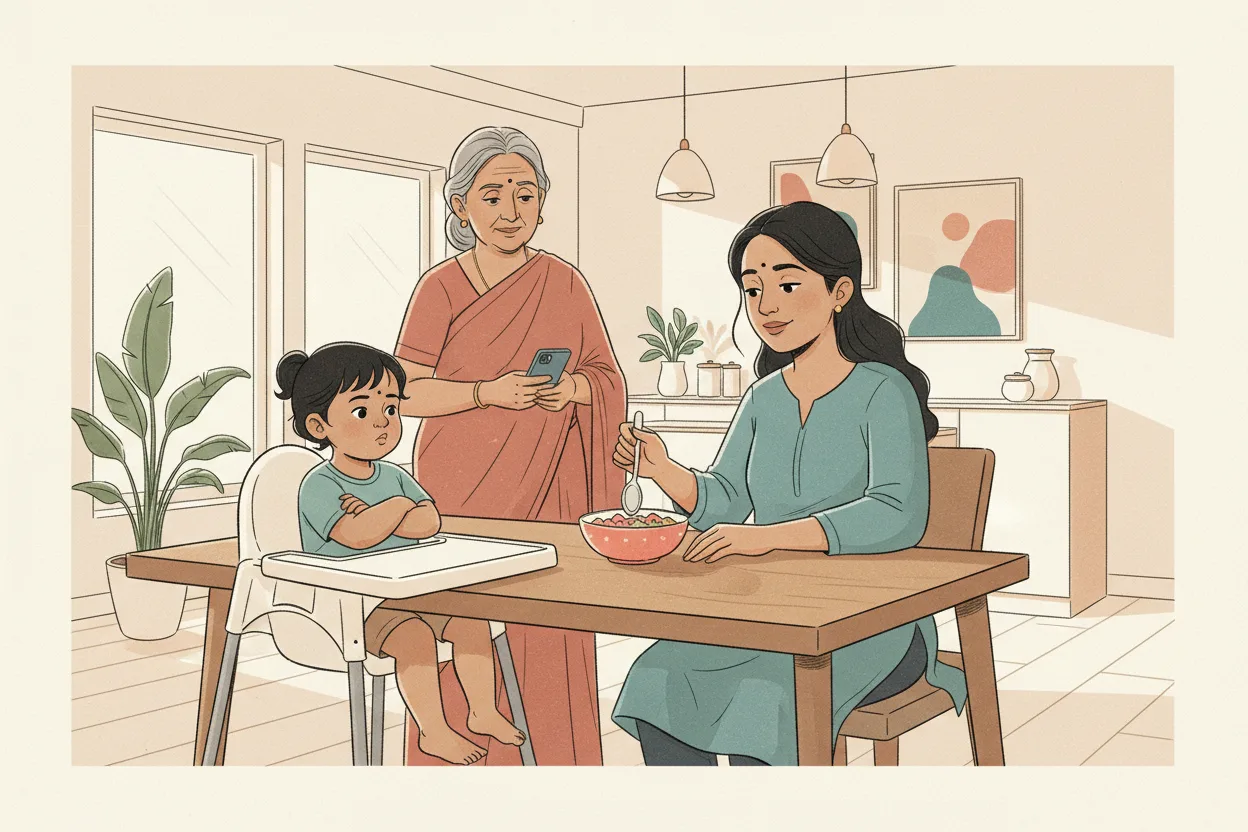
In a joint family, this plays out constantly — a toddler wants to climb the porch step, chase the neighbor's cat, or clamber onto the diwan, and a grandparent's first instinct is to intercept before anything happens. Understanding where the fear comes from makes it easier to respond calmly instead of getting defensive.
What Toddlers Are Actually Built to Do
Around age two, your child is developmentally wired to be in constant motion. The AAP's HealthyChildren.org describes toddlers this age as continually on the go — running, kicking, climbing, jumping — which naturally comes with frequent small stumbles. WHO guidelines recommend that toddlers get at least 180 minutes of varied physical activity spread across every day, with more being better — so a mobile, climbing, occasionally-falling toddler is meeting a health guideline, not misbehaving.
And when they do take a small knock to the head, the AAP's HealthyChildren.org states that while these injuries can be upsetting, most head injuries are minor and do not cause serious problems. A loud cry after a bump is usually about shock and reassurance, not a medical emergency — though any fall that genuinely worries you is worth a call to your pediatrician.
The Cost of Shutting Exploration Down
It helps to have language ready for why you won't stop the climbing, and this is where research genuinely backs you up. The AAP states that play — including active, exploratory play — is brain building and a central part of healthy child development. A 2025 scoping review in a peer-reviewed journal found that allowing children some manageable physical risk in play builds resilience, confidence, wellbeing, physical skills, and autonomy — meaning consistently blocking exploration removes a real developmental benefit, not just an inconvenience.
There's a flip side worth mentioning gently to family, too: a systematic review in Frontiers in Psychology found a direct relationship between highly controlling, overprotective ("helicopter") parenting and higher anxiety and depression symptoms in children. Constant fearful intervention carries its own cost — it isn't the safe default it feels like.
There's also a subtler reason a grandparent's visible panic matters more than it seems. A study on infant social referencing explains that a toddler uses a trusted caregiver's emotional reaction to interpret an ambiguous situation and shape their own response. If Dadi gasps and rushes over every time your toddler wobbles, your toddler learns to be afraid of wobbling — even before they've registered whether it actually hurt.
Scripts That Work in a Joint Family
There's no need to win an argument about parenting philosophy — a few calm, repeatable lines are enough to keep the peace and keep your toddler moving.
When they intercept a climb: "He's just building his balance — I'm right here watching. Let's see what he does." You're not dismissing the concern, you're narrating that supervision is already happening.
After a small fall, before anyone reacts: Pause for a beat and see if your toddler even needs comforting before anyone else swoops in. A steady "You're okay, that was a big tumble!" said calmly teaches your toddler to read the fall the same way you do.
When you get "you're not watching him properly": "I am watching — falling is actually normal at this age, our pediatrician said so too." Crediting the doctor takes the disagreement out of a personal one.
For repeat worriers: Give them a specific, low-risk job — "Can you stay near the step while I get his water?" — so their protective instinct has somewhere useful to go instead of a blanket "stop."
Setting a house rule once, calmly: Agree in advance which real hazards matter (stairs without a gate, an unguarded balcony, a hot stove) versus which are normal toddler business (climbing the sofa, running in the hall). Reacting the same way to both is what exhausts everyone and confuses your toddler.
When It's Actually Worth Stepping In
None of this means every fall is nothing. The AAP's HealthyChildren.org lists specific warning signs that mean a toddler's head bump needs emergency care right away, not just a wait-and-watch: repeated vomiting, looking very drowsy or not waking up normally, a seizure, or acting unusually different from their normal self. Keep that short list in mind — it's the difference between a bump that's genuinely urgent and one that's just a loud cry. Outside of those signs, get anything that doesn't sit right with you looked at promptly, whether a grandparent flagged it or you noticed it yourself. The point is matching the reaction to the actual risk, so your toddler still gets the free movement their body and brain need.
Frequently Asked Questions
My mother-in-law says I'm too relaxed about falls. How do I respond without a fight? Keep it about the child's development, not about her parenting versus yours. Falls are the most common cause of nonfatal childhood injury, and most are minor — you can say this calmly, as fact, rather than as a rebuttal.
Is it normal for a two-year-old to fall this often? Yes. At this age, toddlers are continually on the go — running, climbing, jumping — and frequent small stumbles come with that territory.
Does letting my toddler take small risks actually help them, or is it just permissiveness? It genuinely helps. Manageable physical risk in play builds resilience, confidence, and physical skill — it isn't about being lax, it's about giving your toddler room to develop real coordination and confidence.
Why does my toddler cry harder when a grandparent reacts, but stay calm with me? Because toddlers read a trusted caregiver's emotional reaction to decide how alarmed to be about an ambiguous moment like a stumble. A calmer adult response tends to produce a calmer toddler.
Could constantly stopping my toddler from exploring actually cause harm? Very controlling, overprotective caregiving has been linked in research to higher anxiety and depression symptoms in children, so it's worth taking seriously rather than assuming "more caution" is always harmless.
How much active playtime does my toddler actually need each day? WHO guidelines recommend at least 180 minutes of varied physical activity, at any intensity, spread across the day — climbing, running, and free play all count toward this.
After a fall, what actually means "go to the doctor now" instead of just watching and waiting? The AAP's HealthyChildren.org names specific warning signs to act on right away: repeated vomiting, looking very drowsy or not waking up normally, a seizure, or your toddler acting noticeably unlike themselves. A hard cry right after the bump, on its own, isn't on that list.